

MERCEDES, CAMARINES NORTE — Driven by a mission to protect slope communities from deadly landslips, student researchers from Moreno Integrated School (MIS), in collaboration with Evtech Research Group, developed an off-grid soil stabilization and monitoring system to safeguard erosion-prone areas across Camarines Norte.
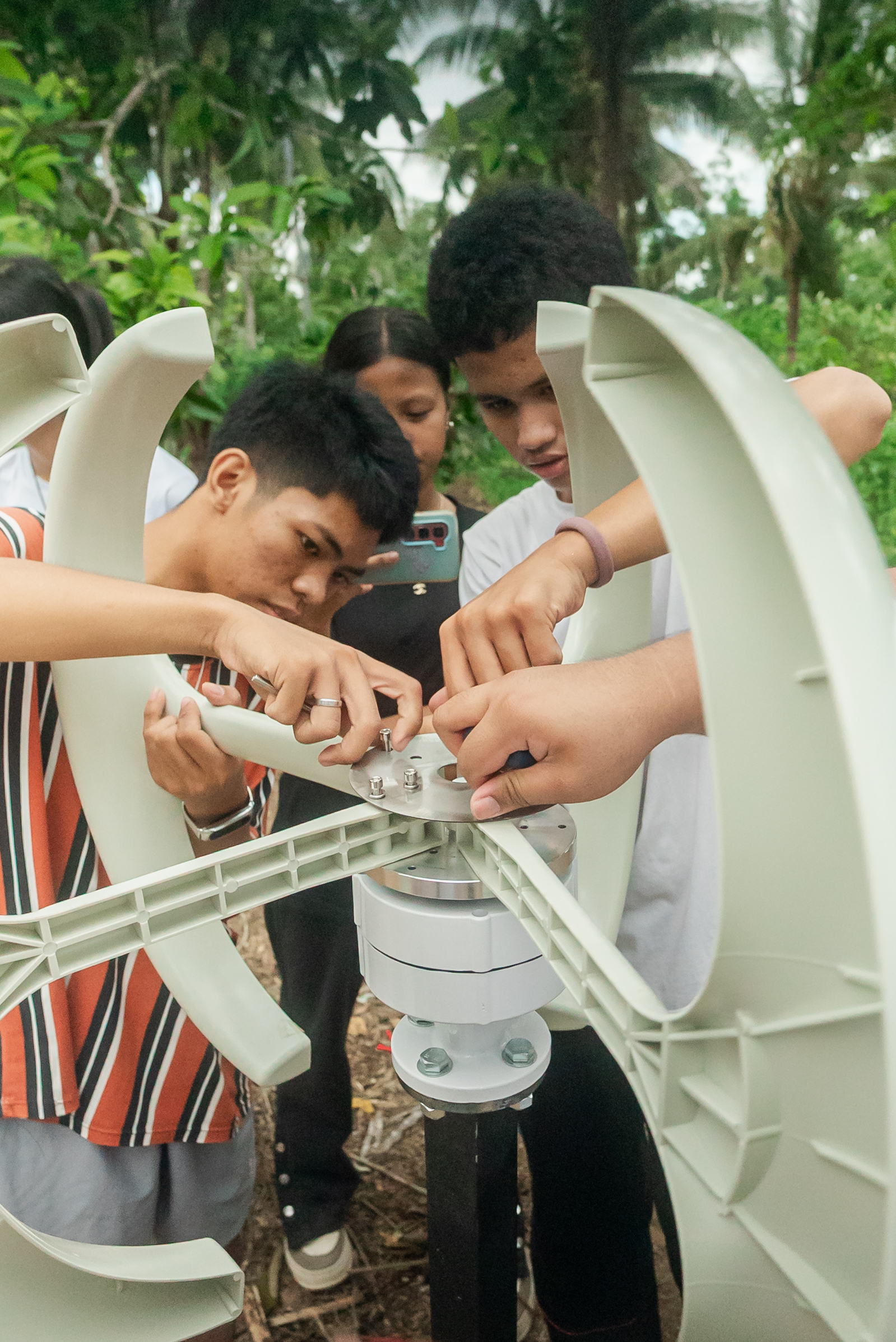
Developed under Team TerraVolt—led by Sean Xander B. Alem alongside student researchers Elijah A. Abierra and Angeline D. Rafer, in close partnership with research and engineering partner Evtech Research Group—the initiative was sparked by a major landslide in Labo, Camarines Norte. The disaster prompted the team to engineer a preventive hazard mitigation tool specifically for families living near high-risk slopes.
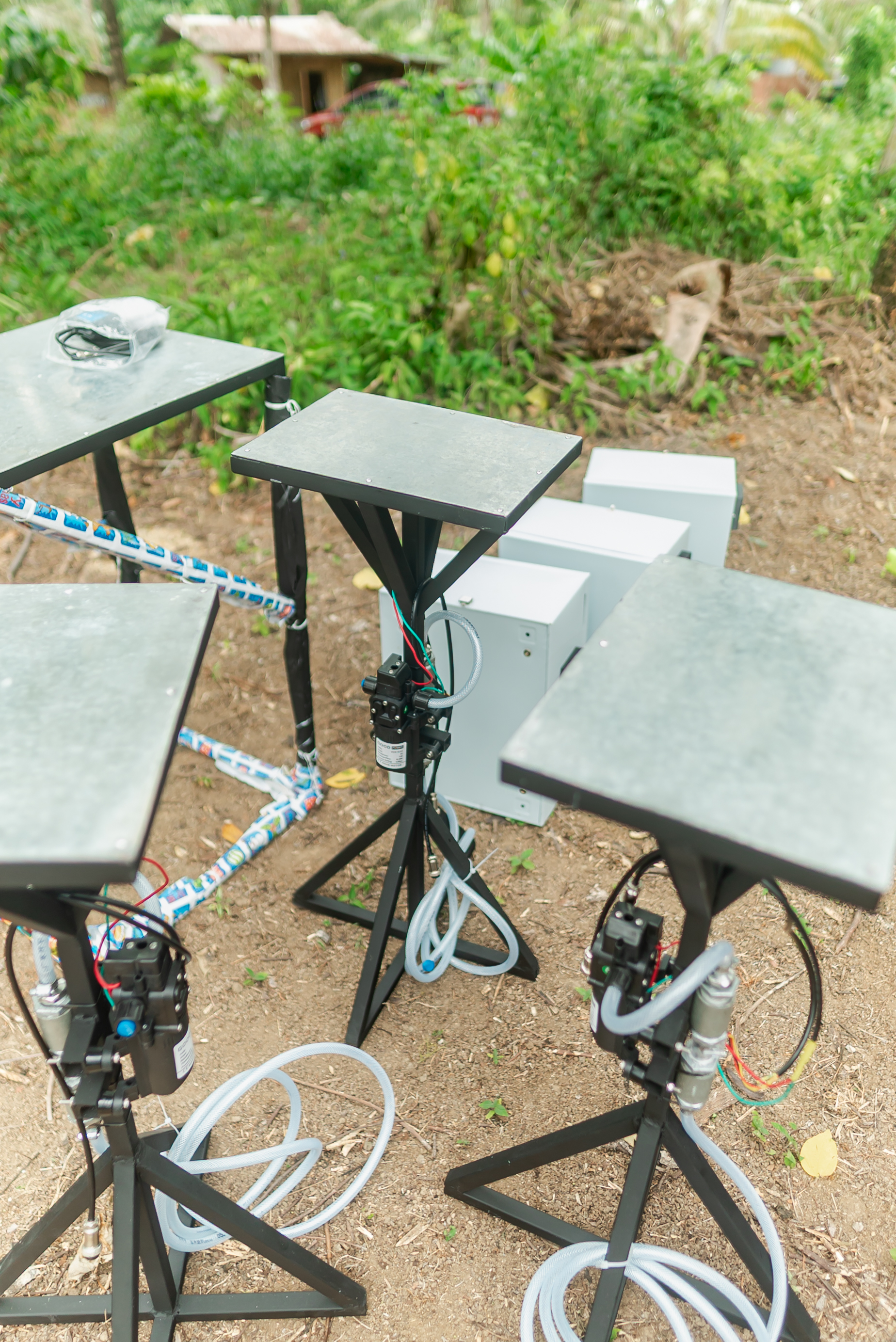
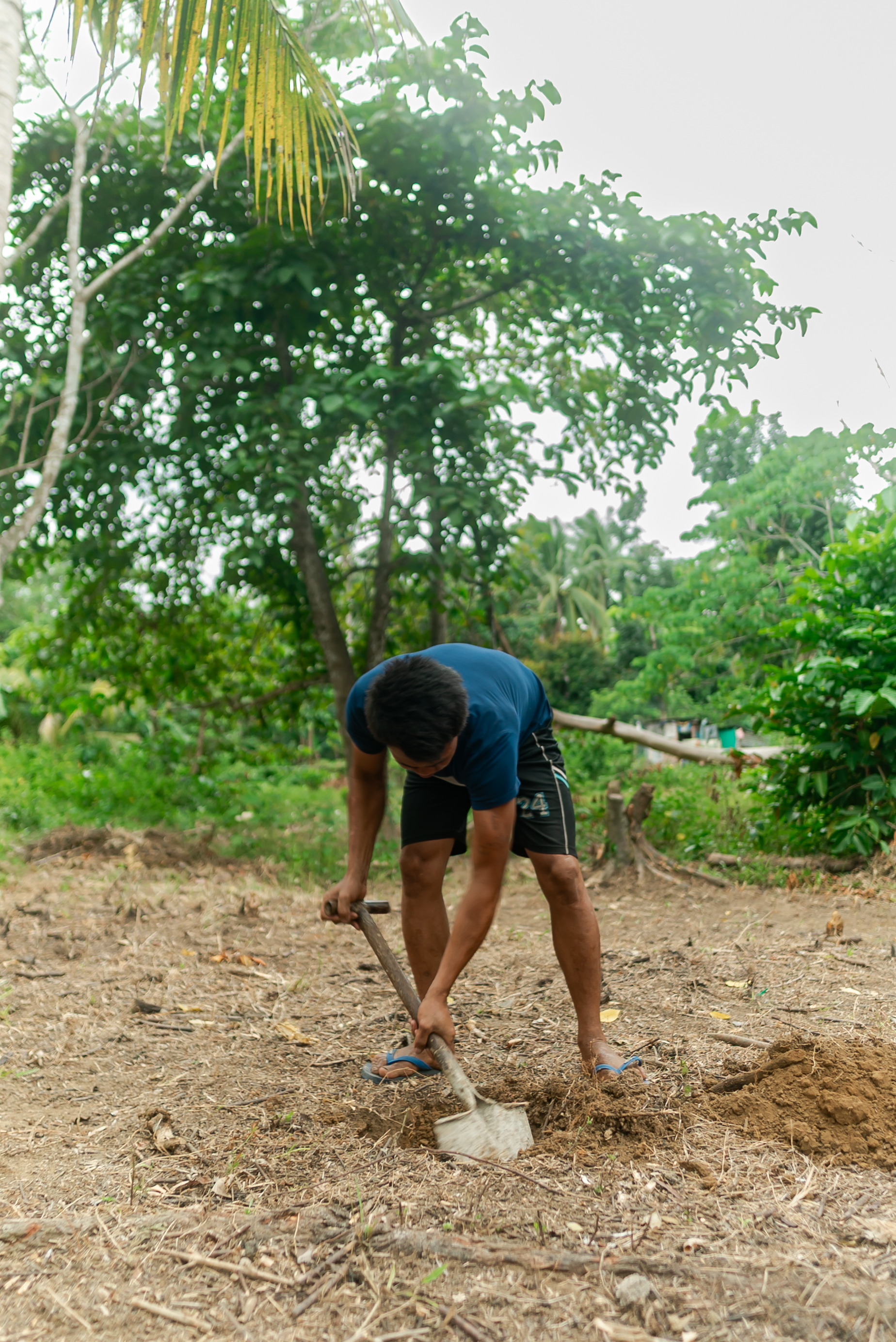
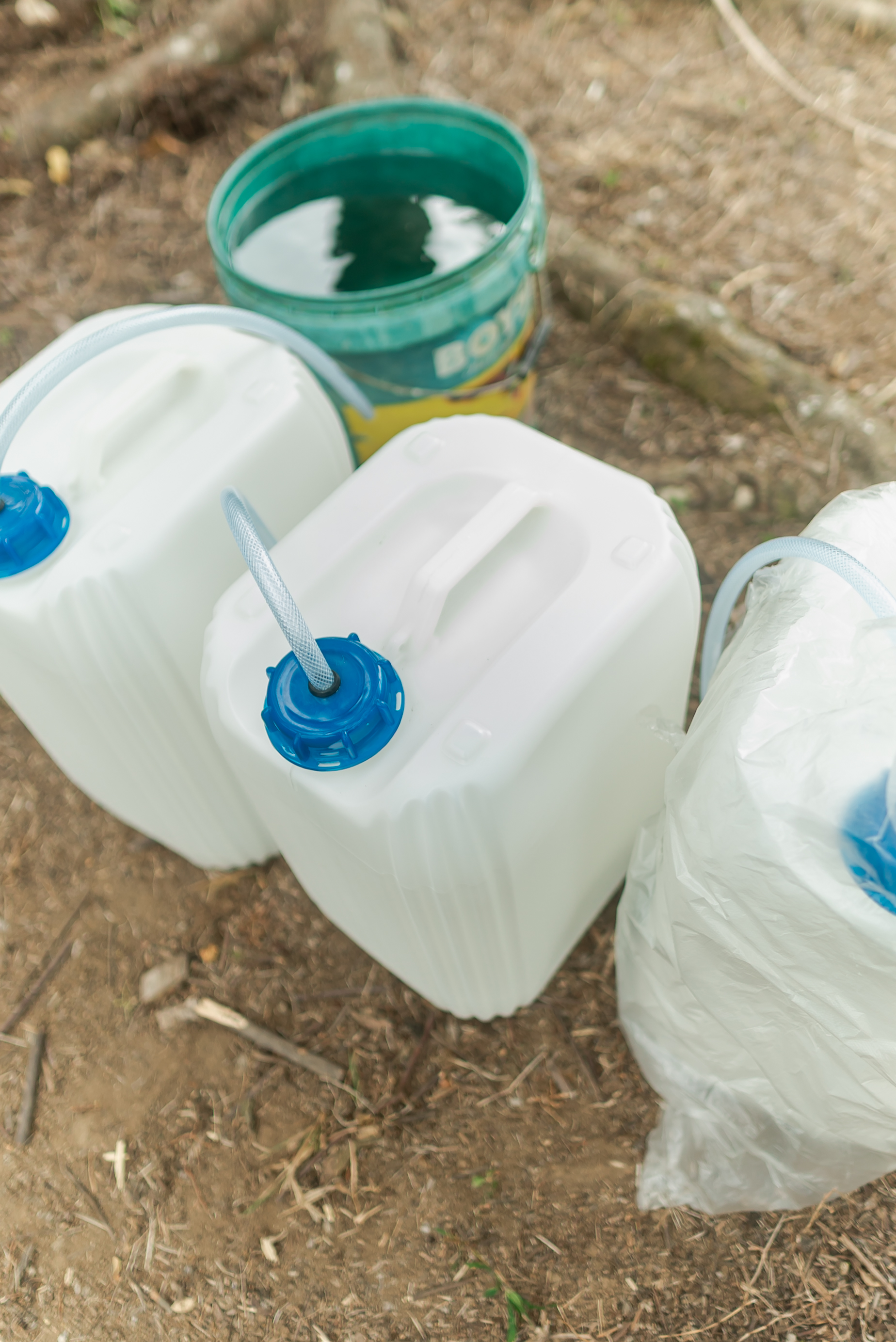
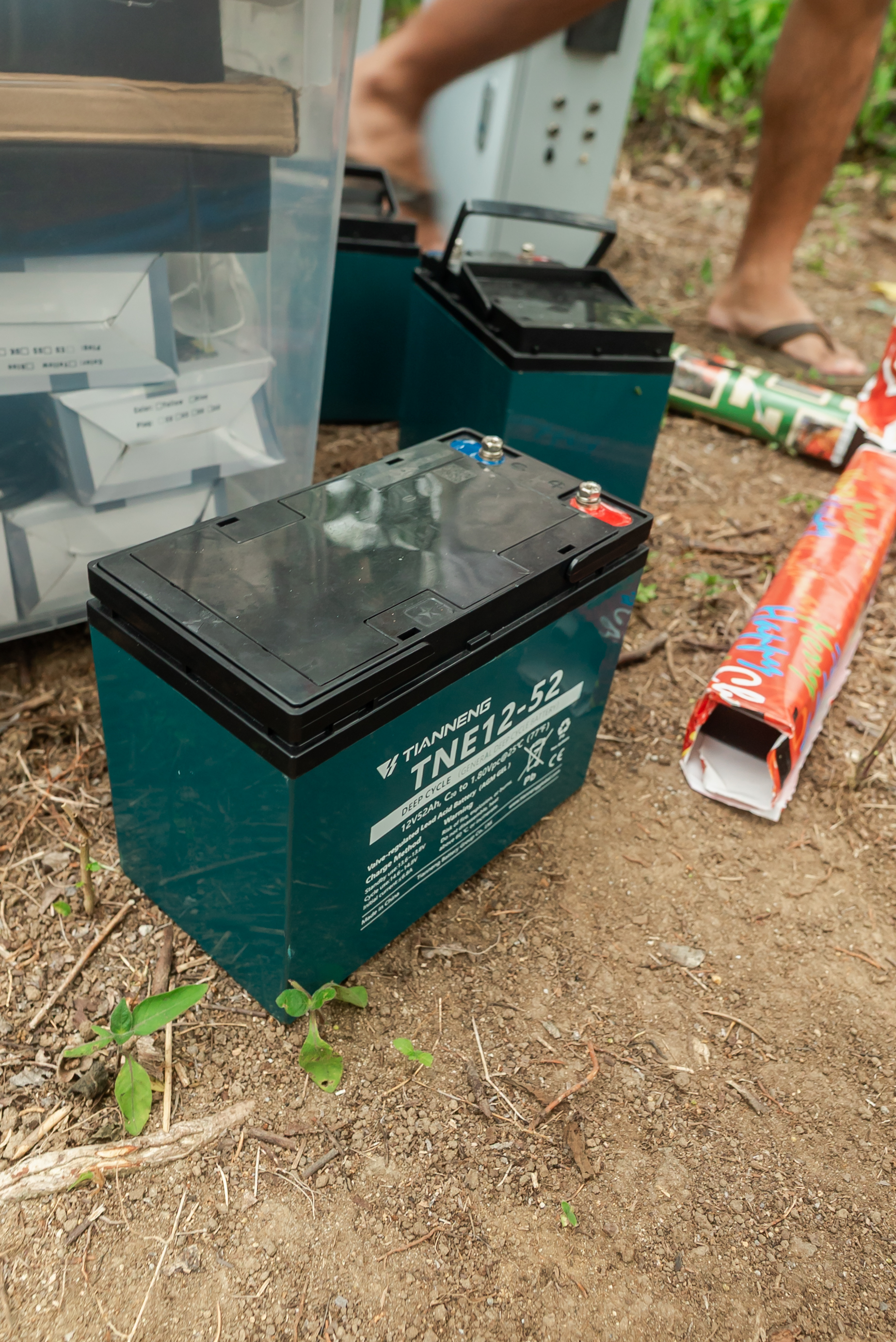
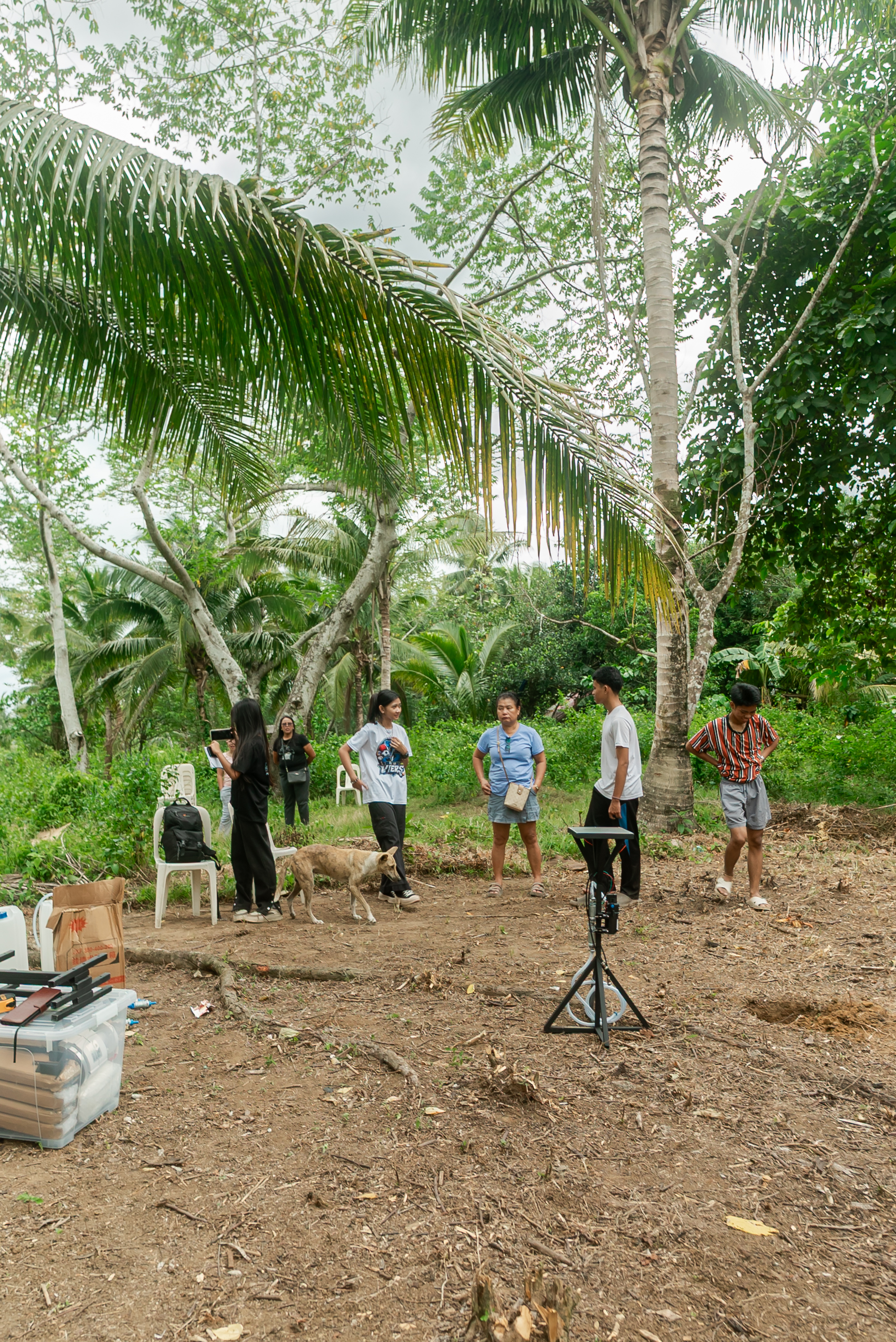
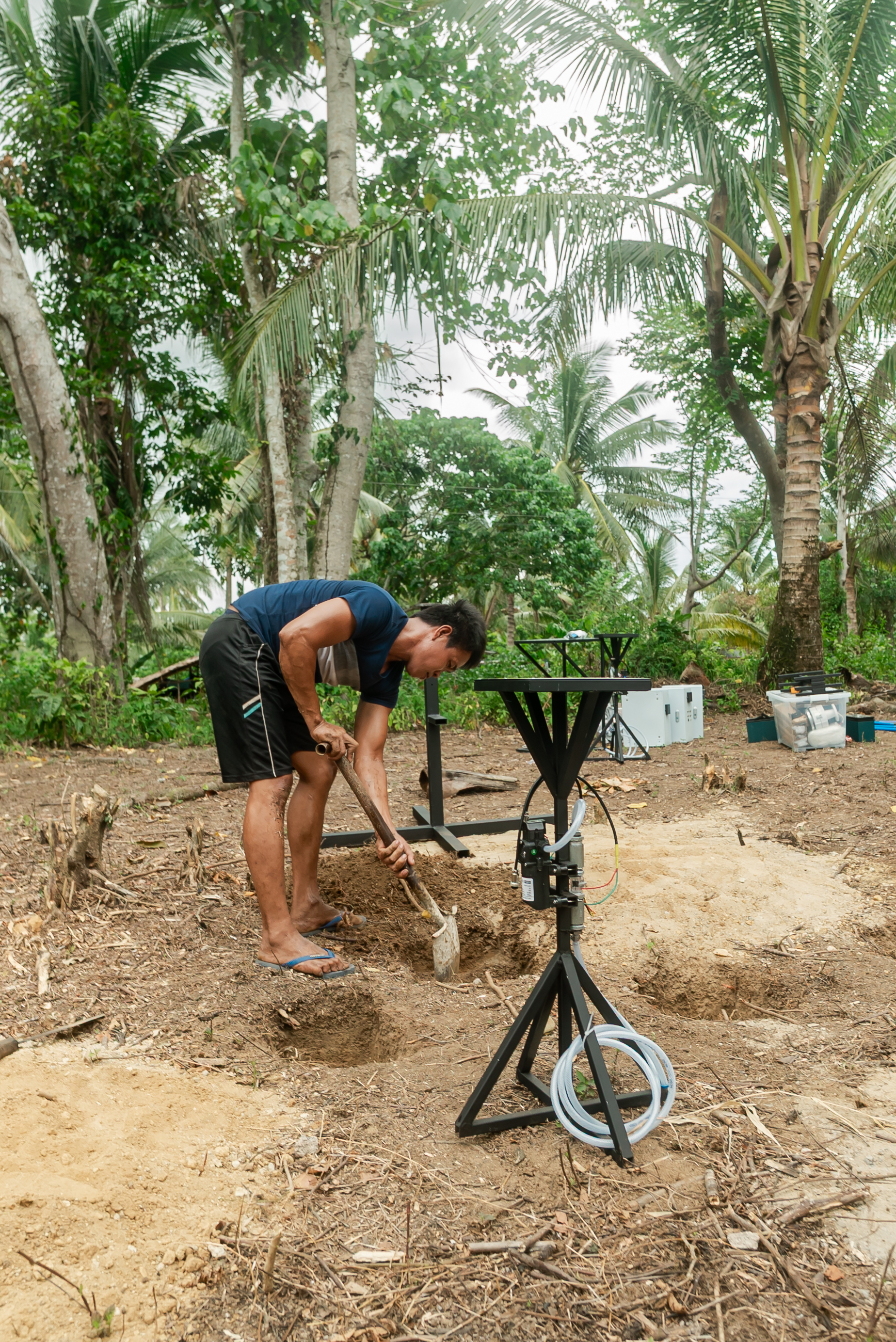
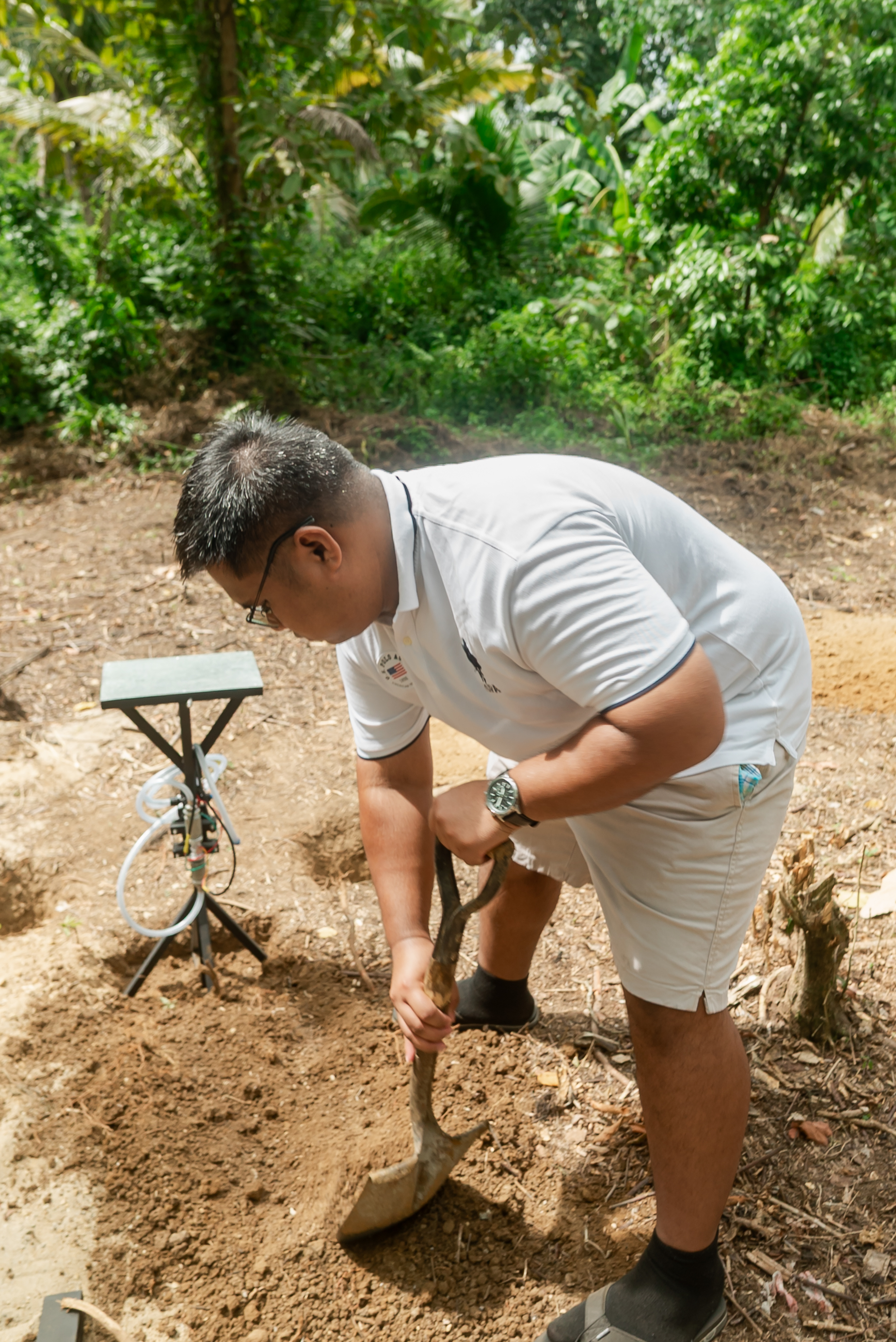
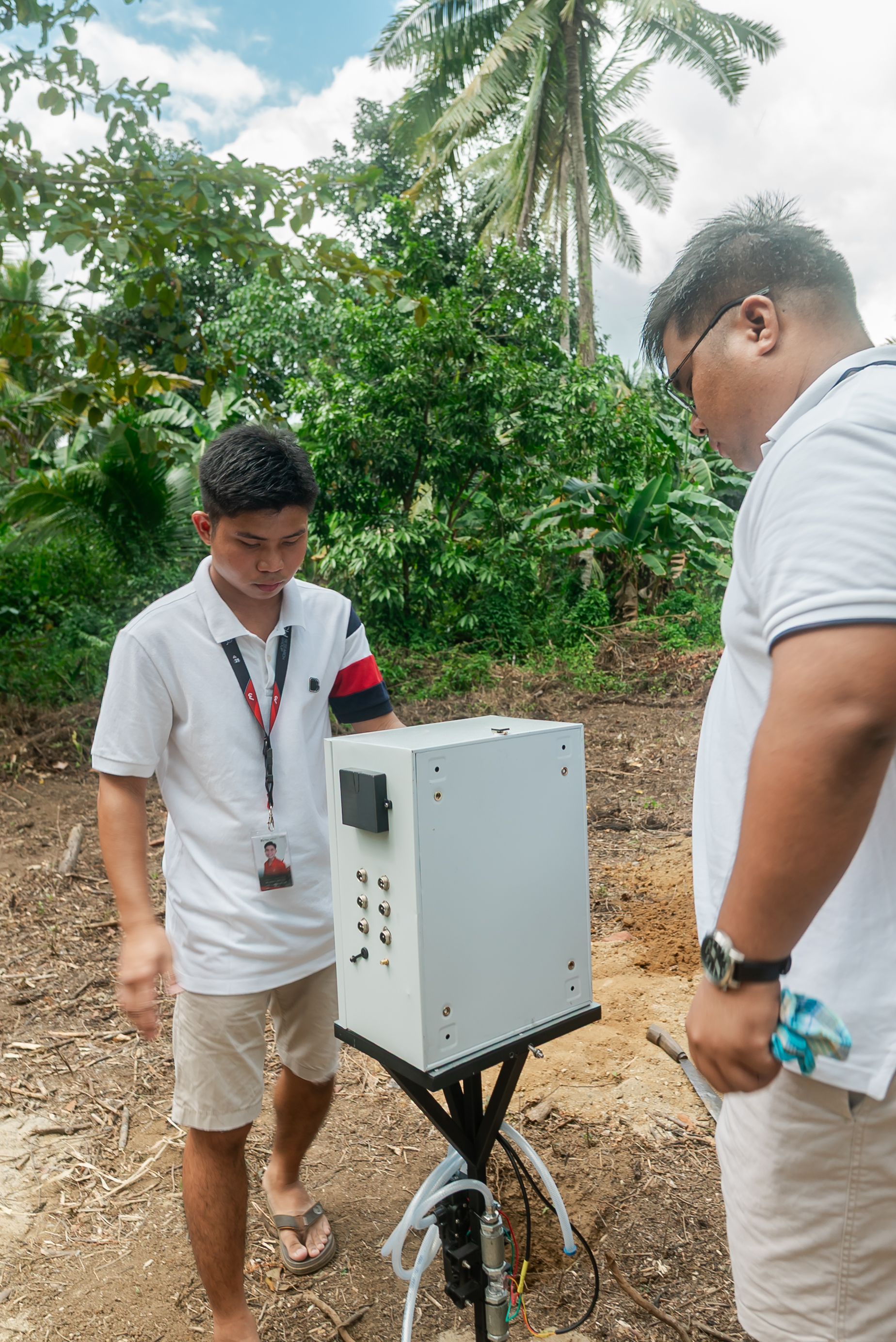
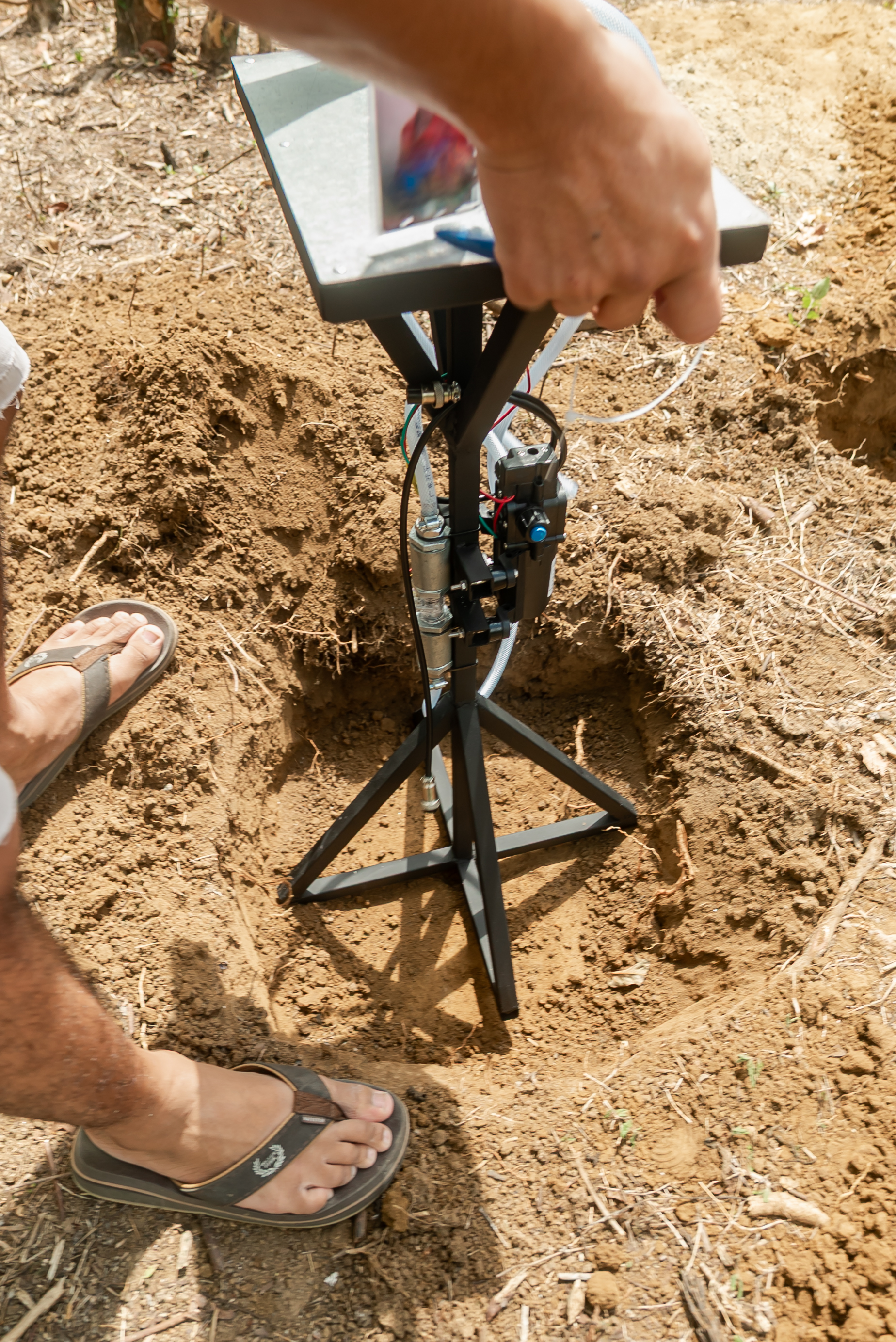
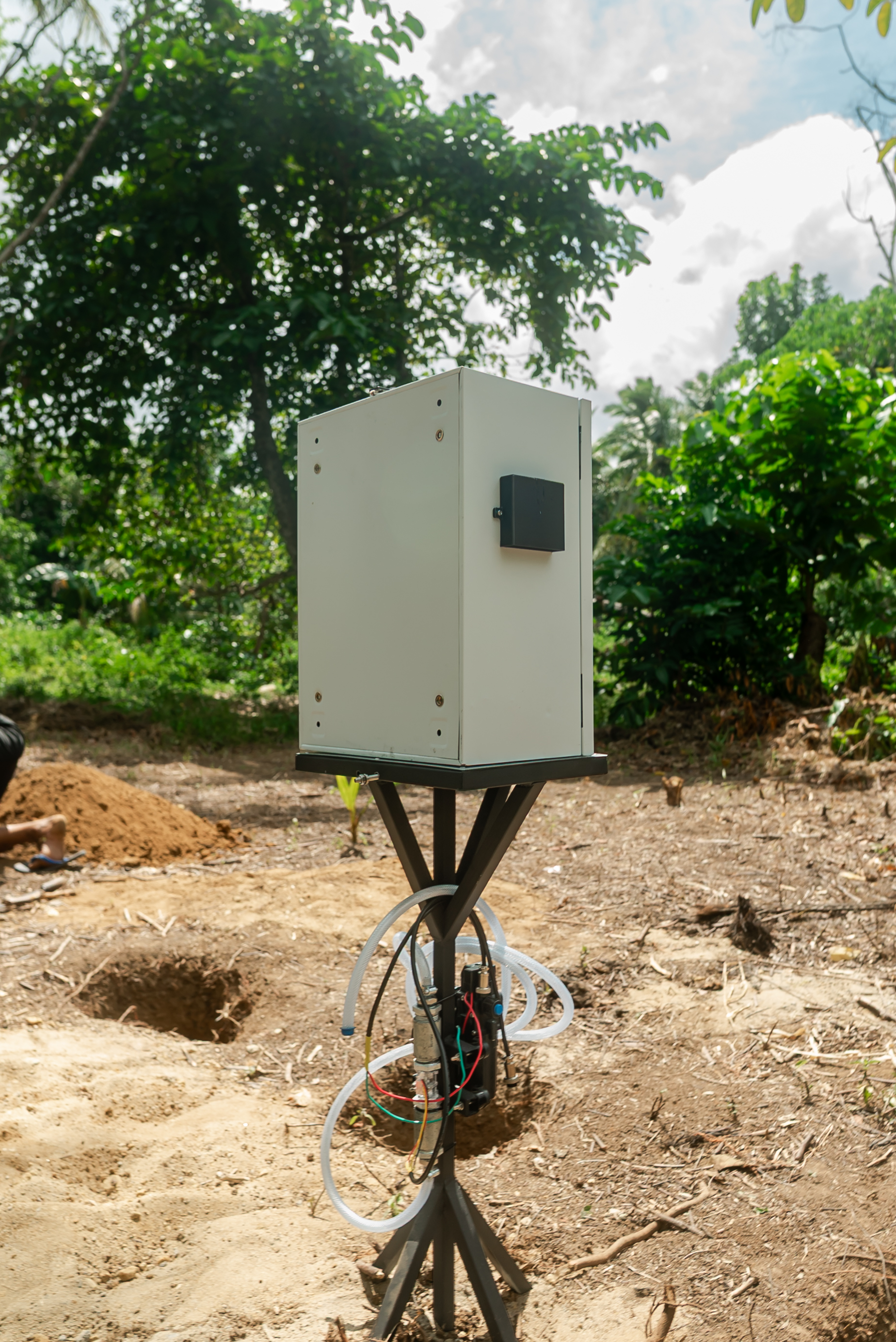
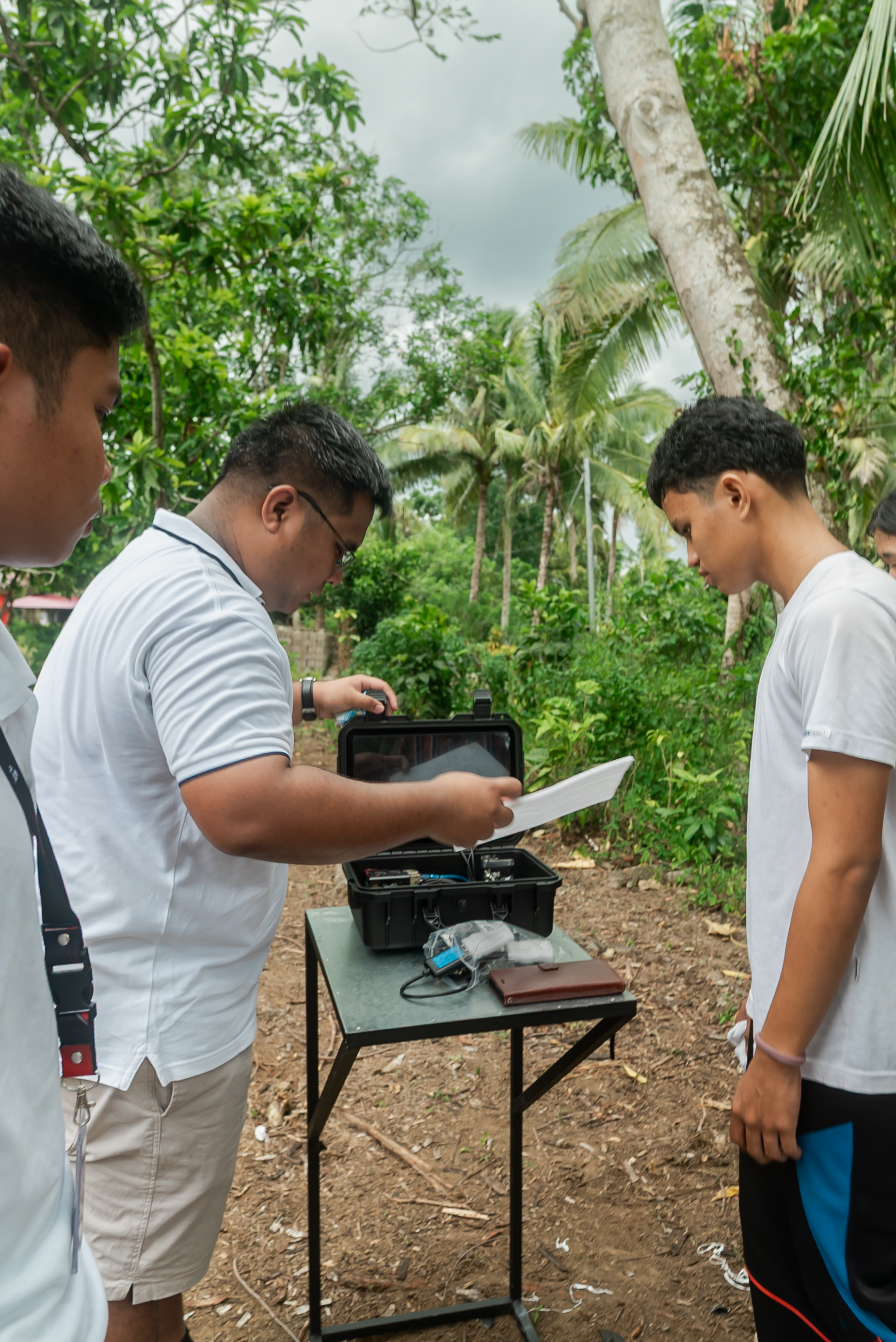
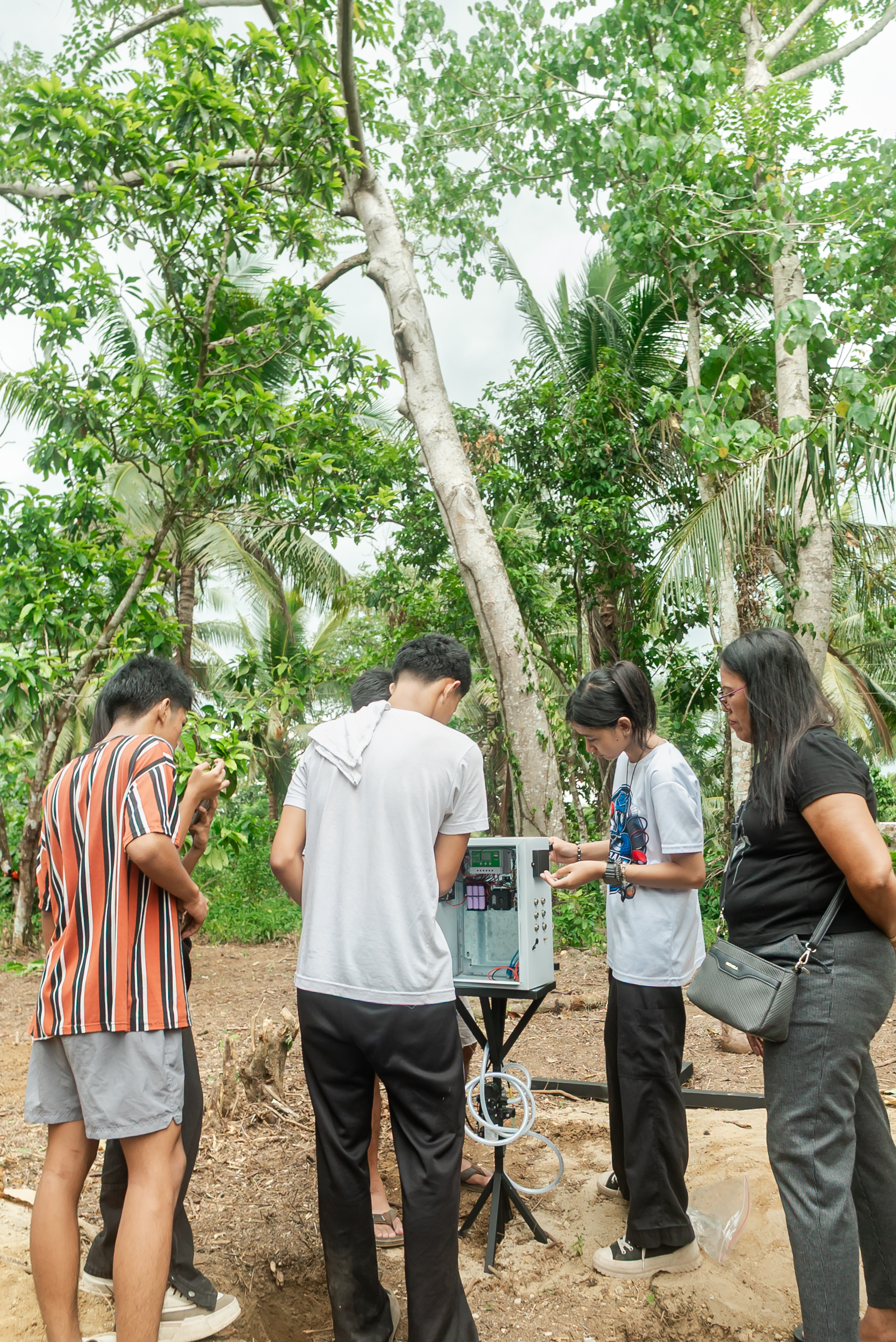
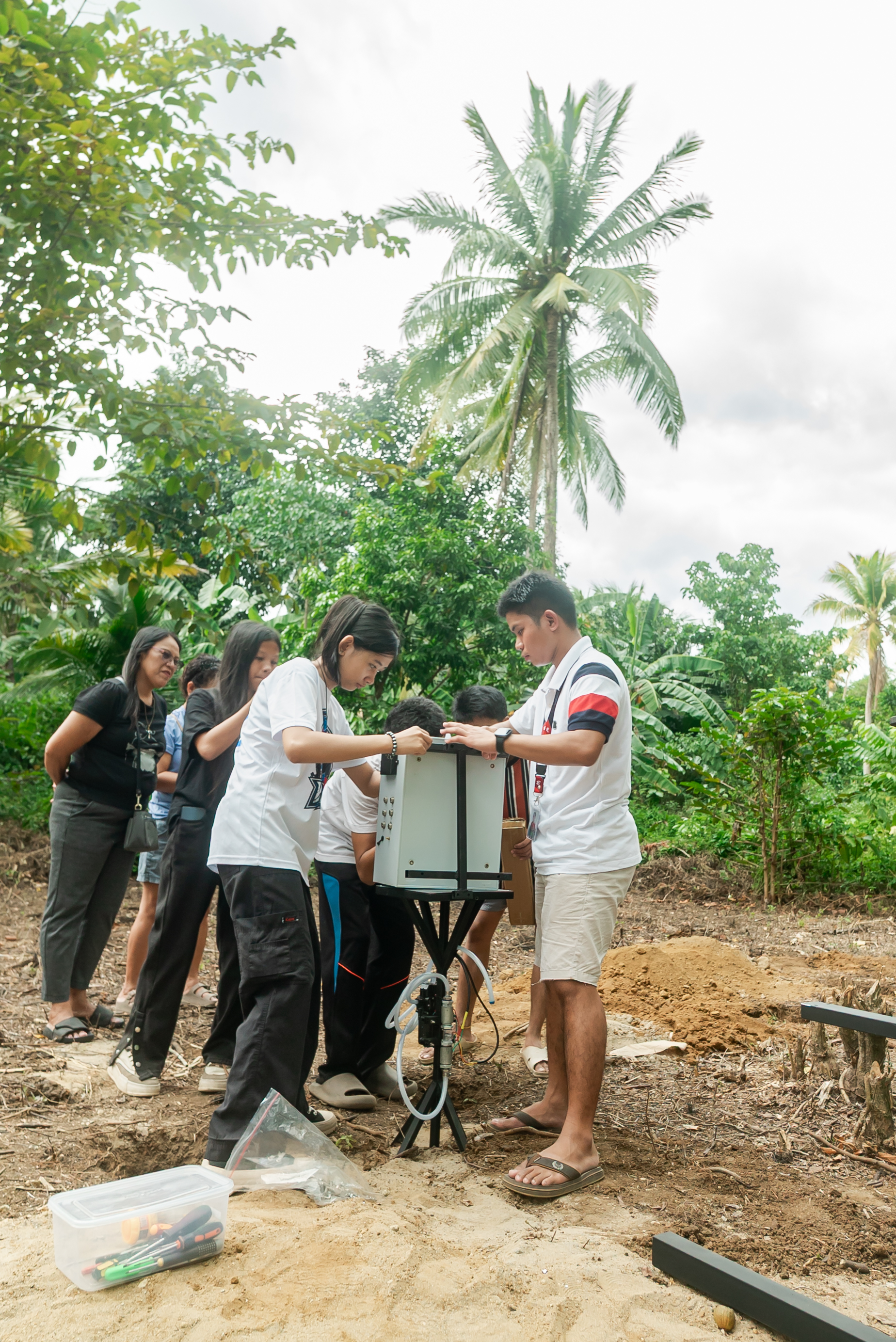
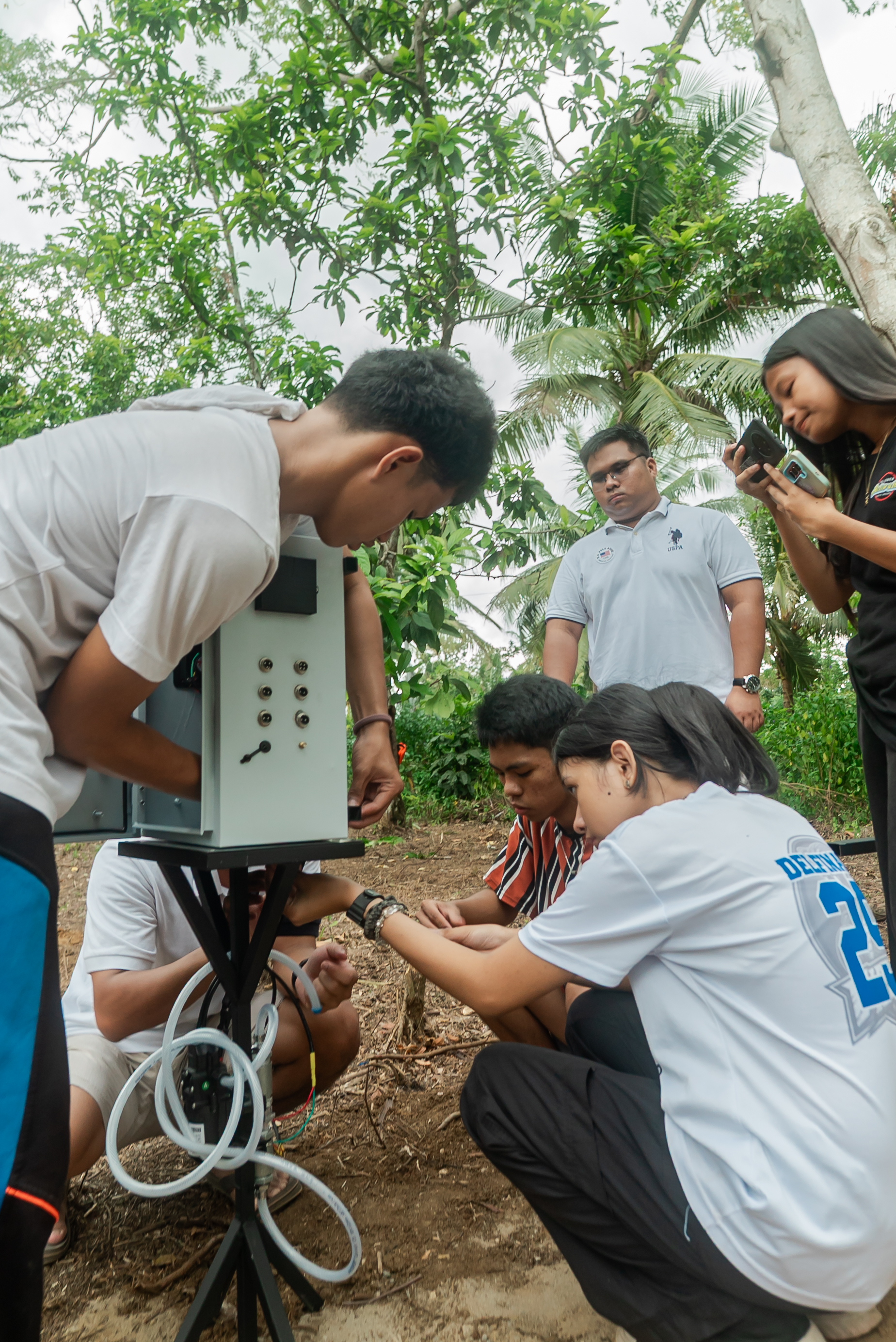
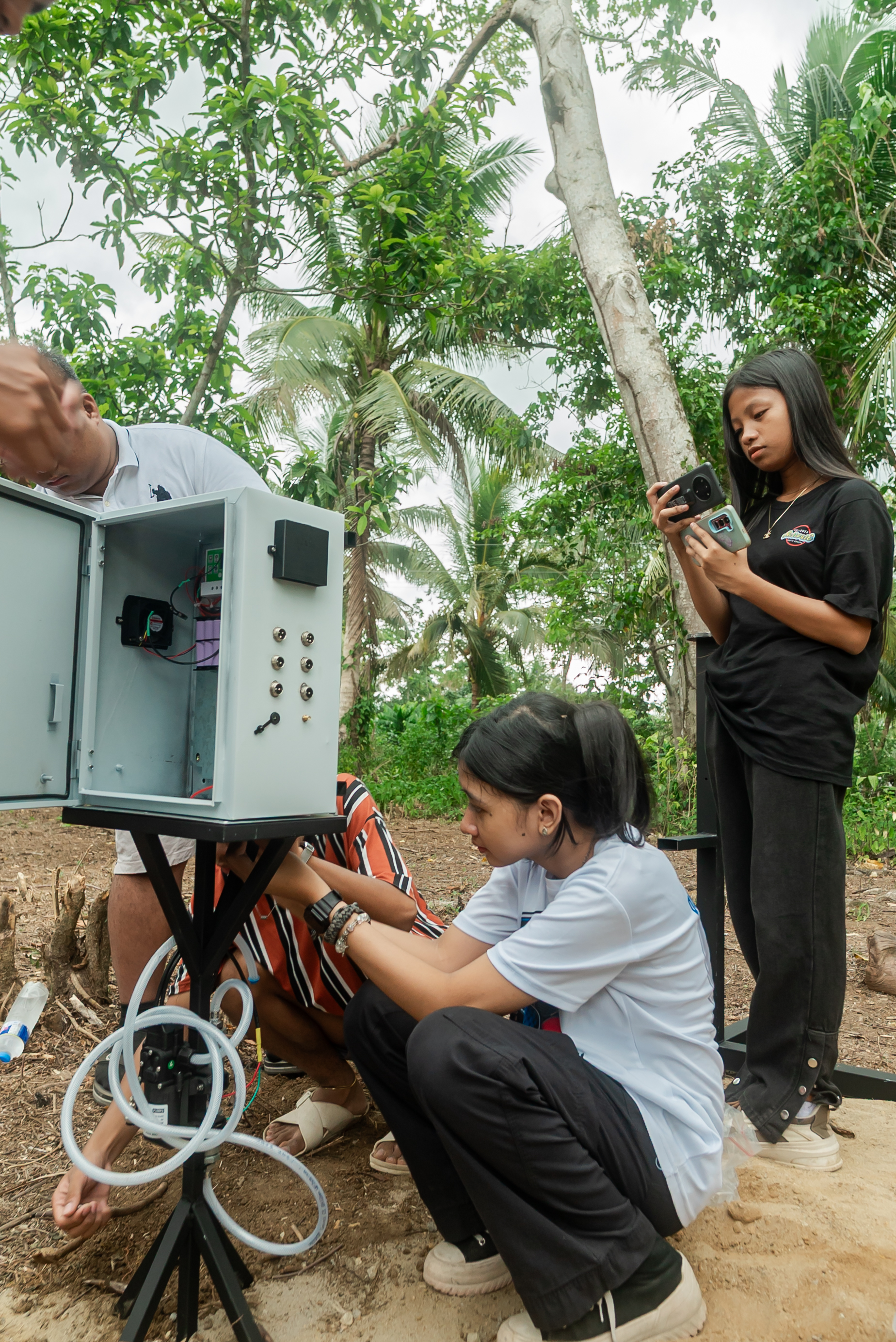
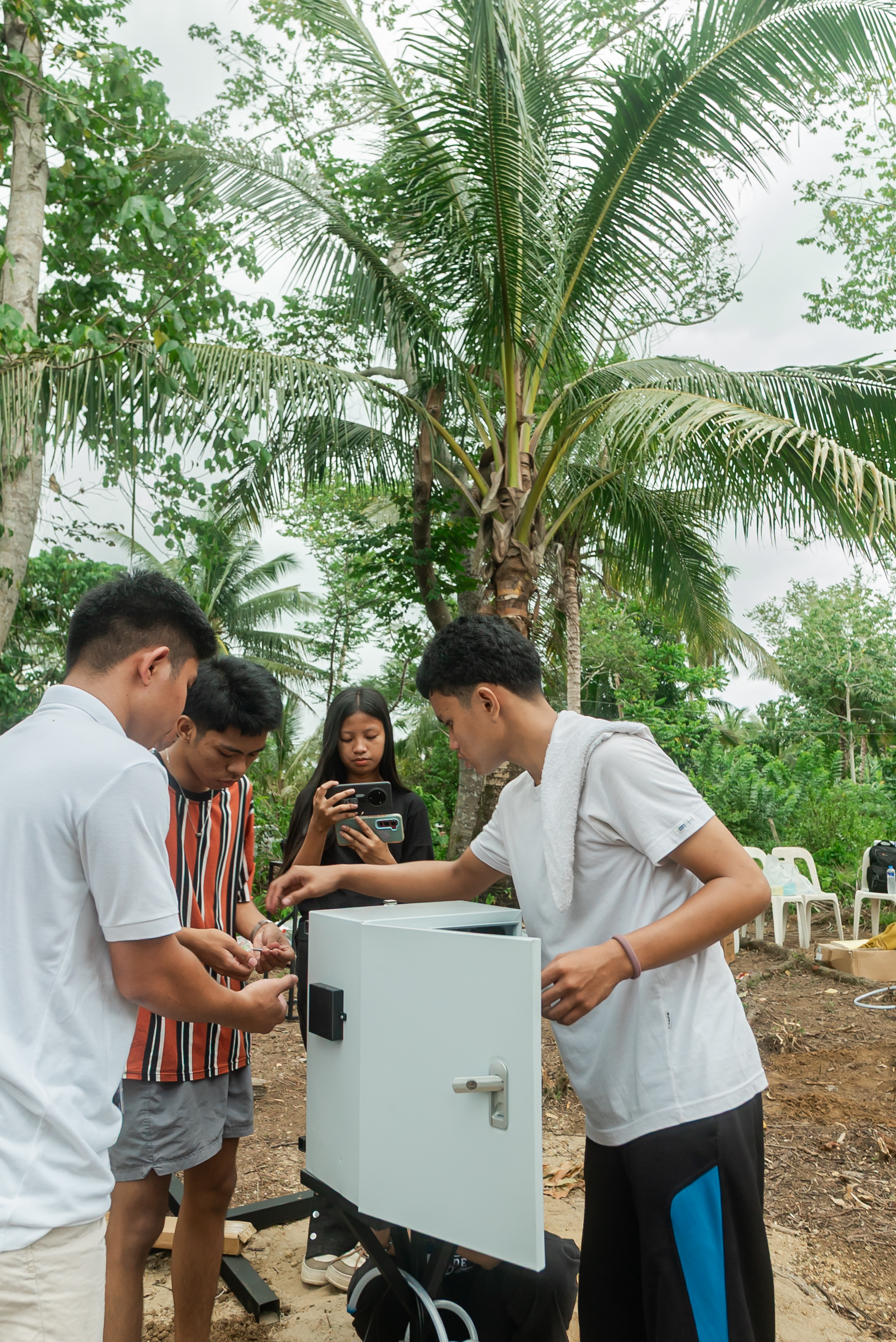
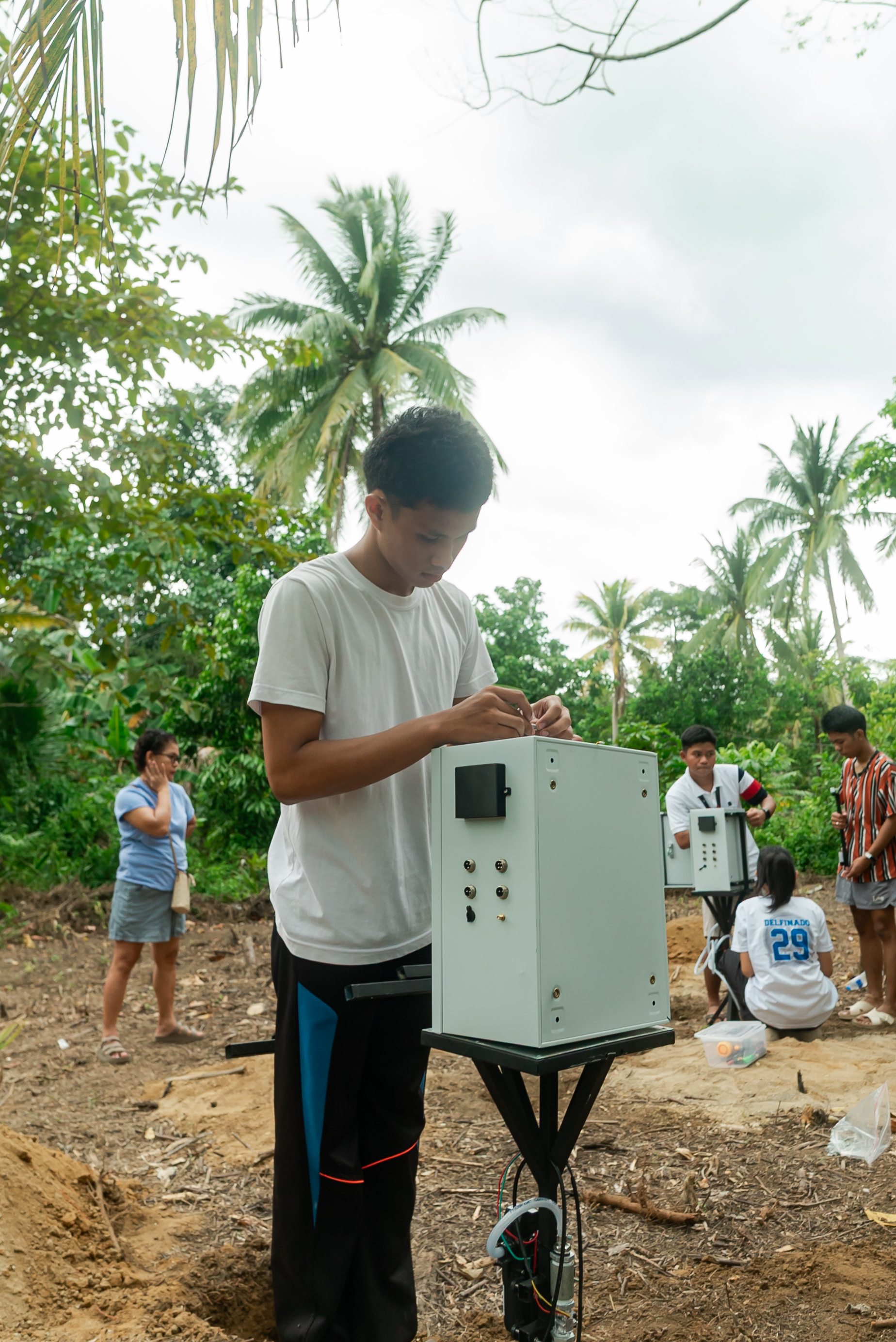
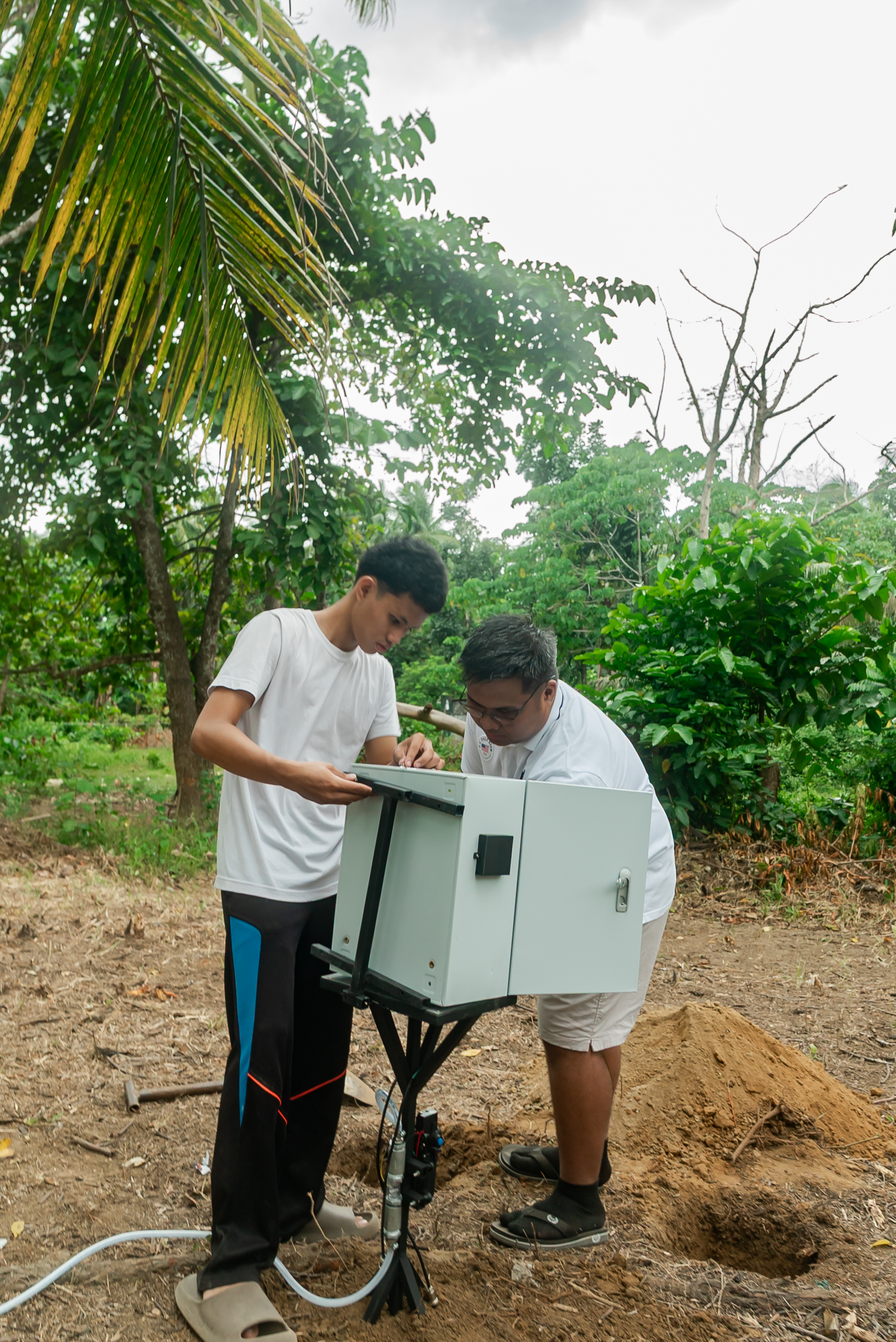
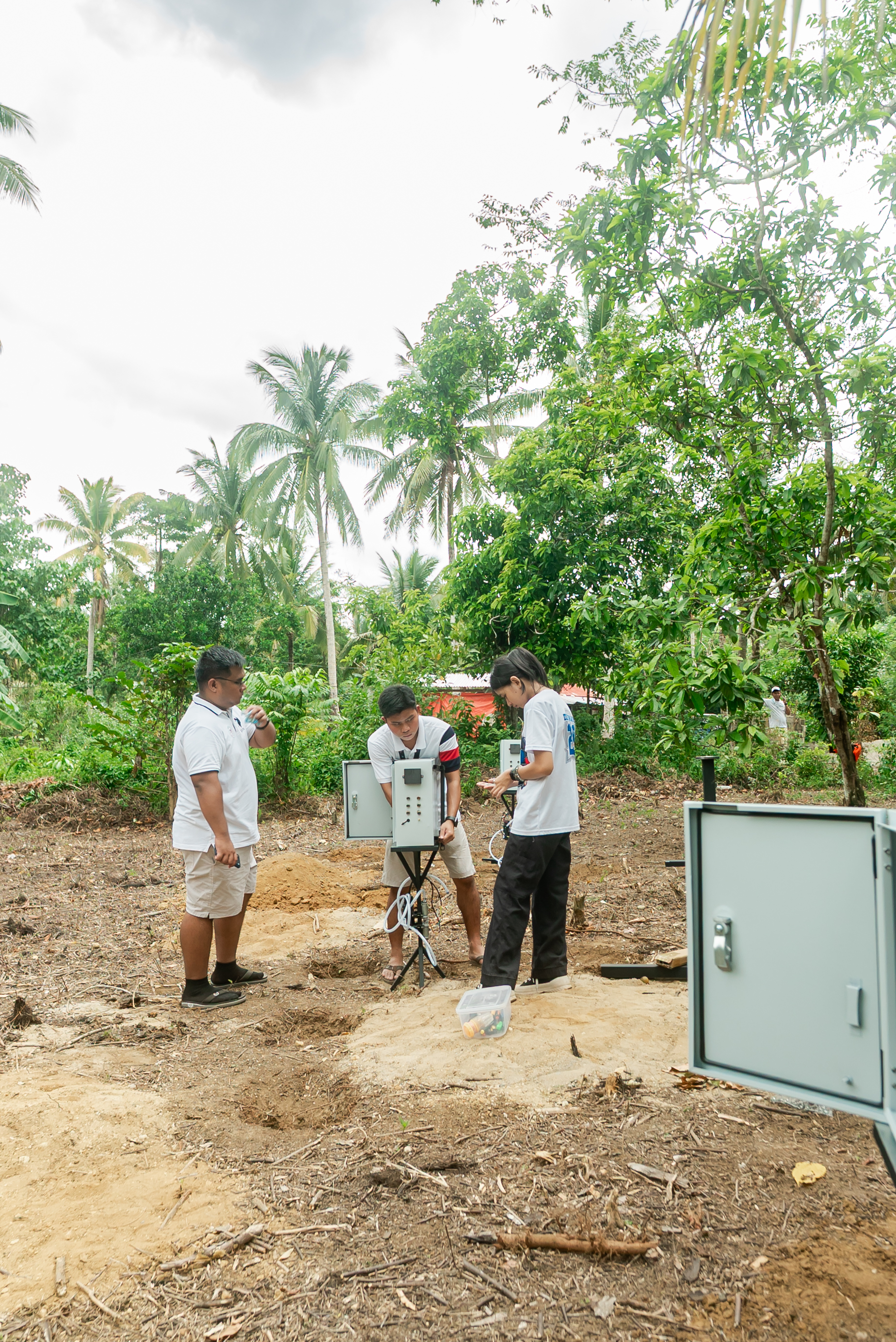
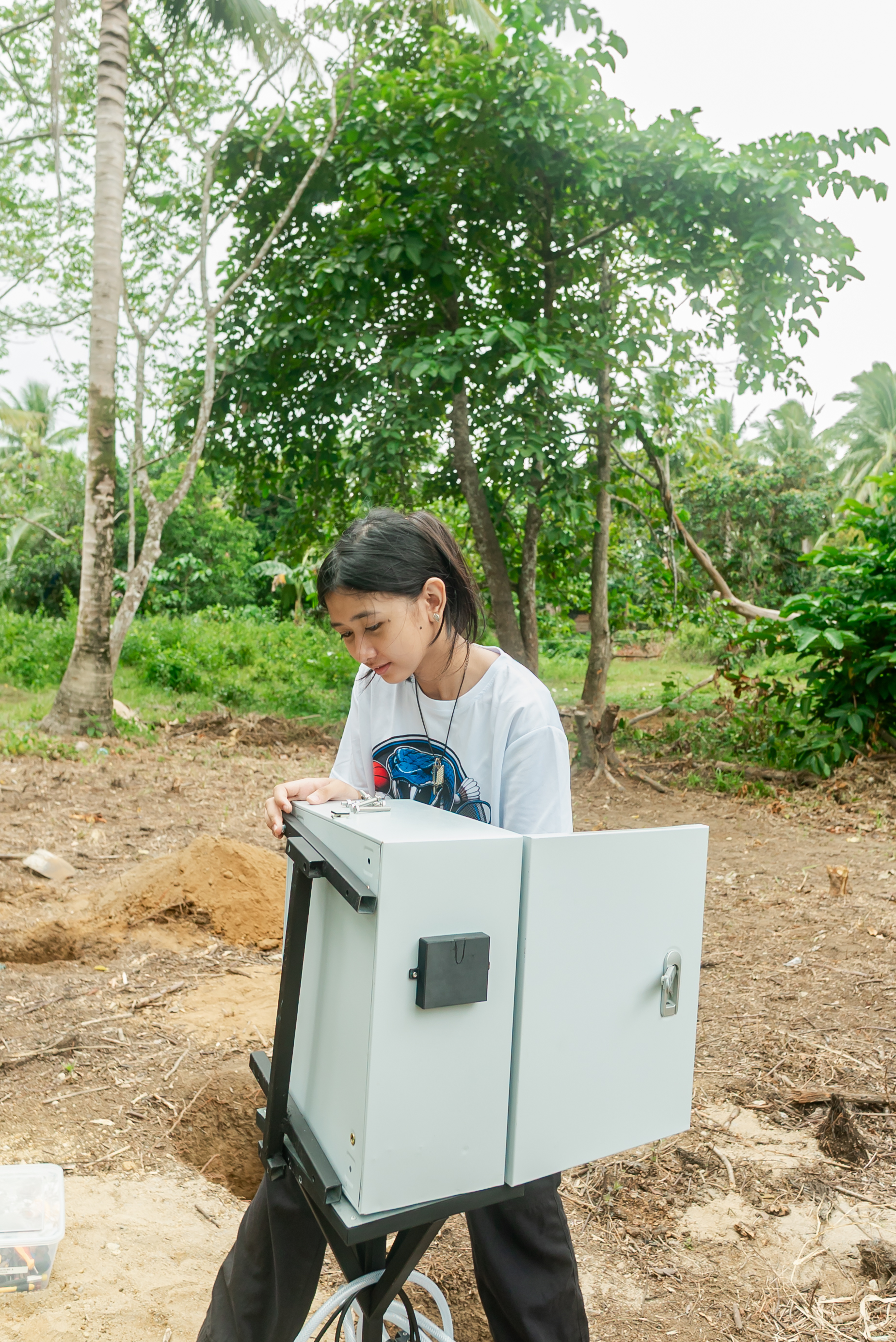
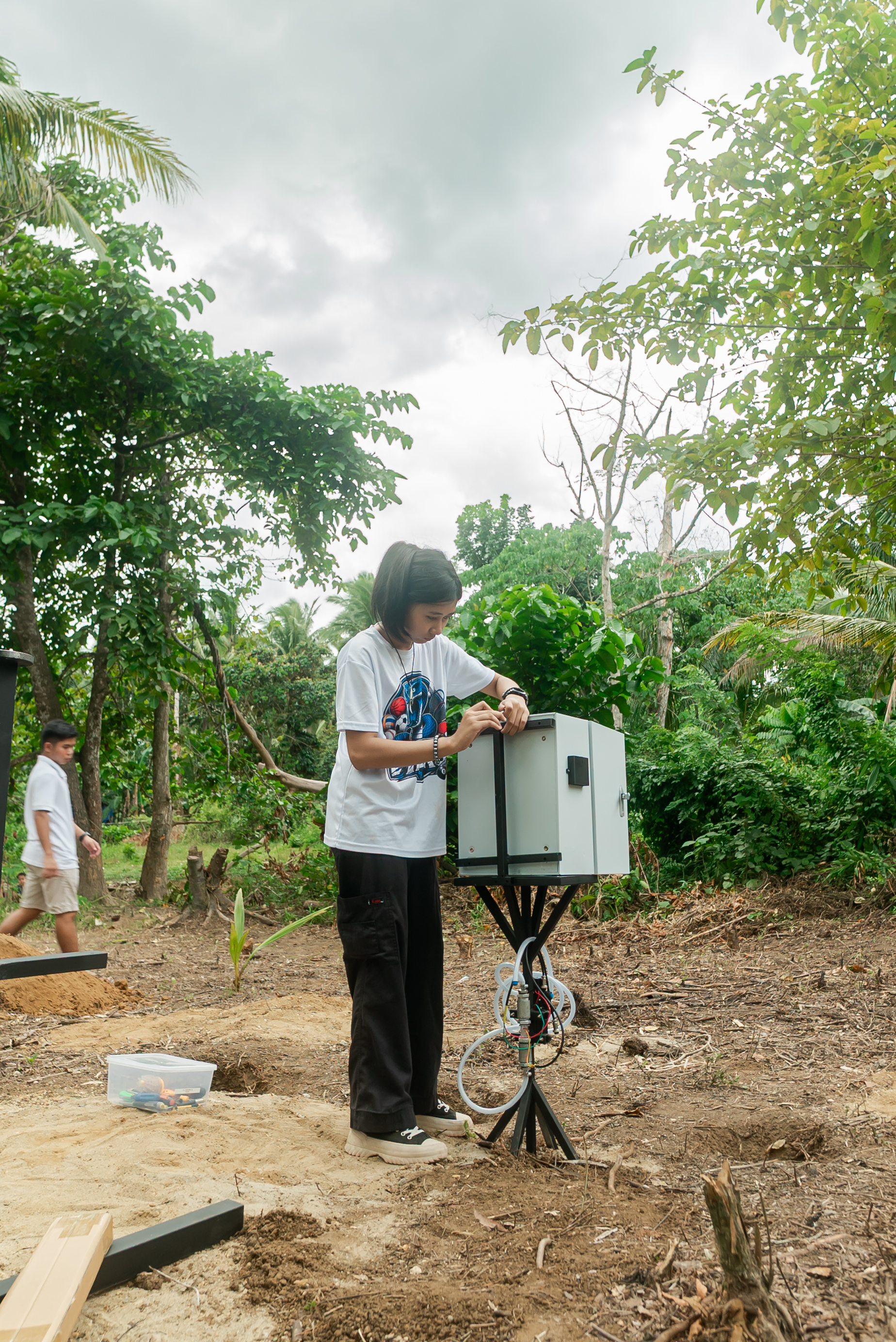
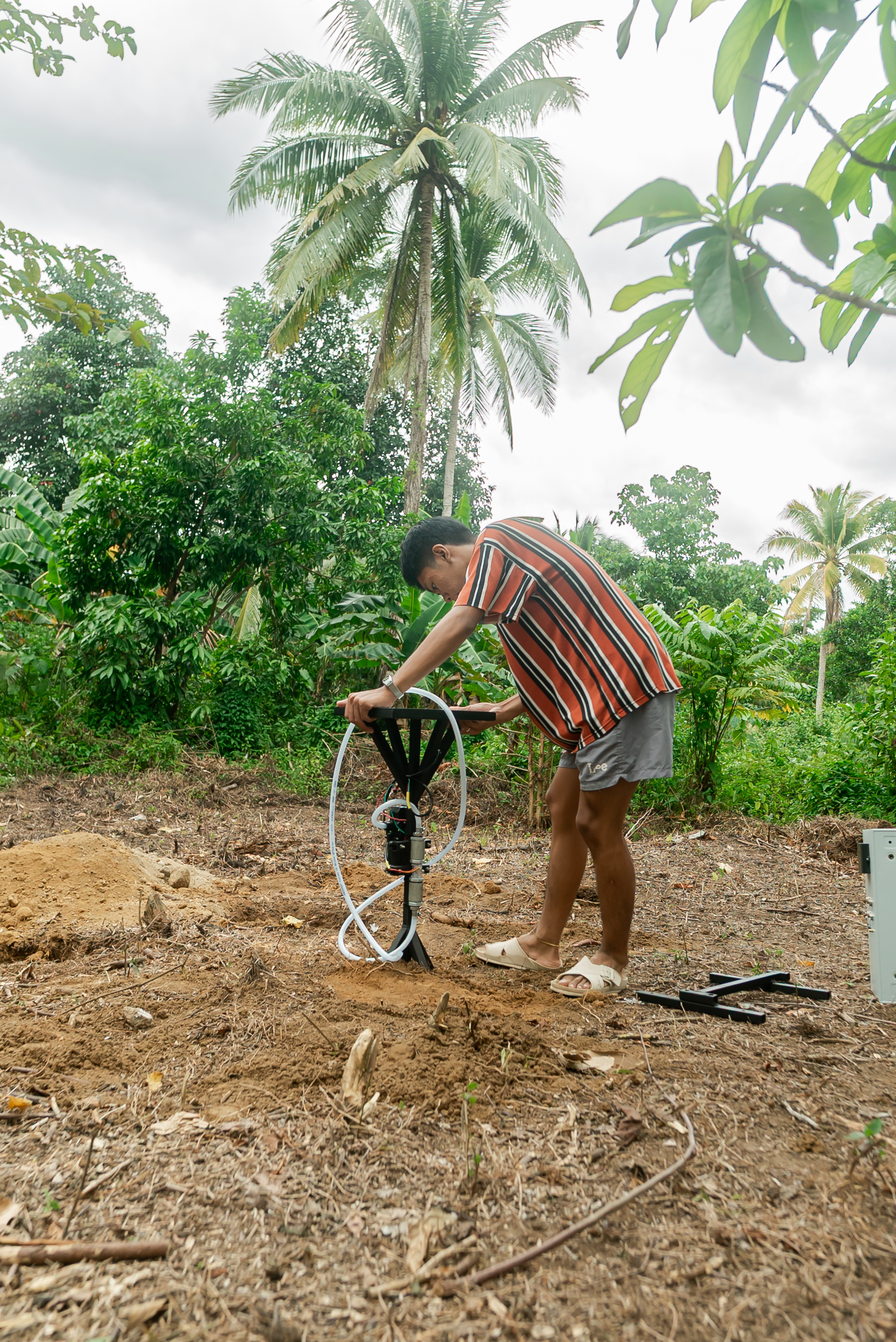
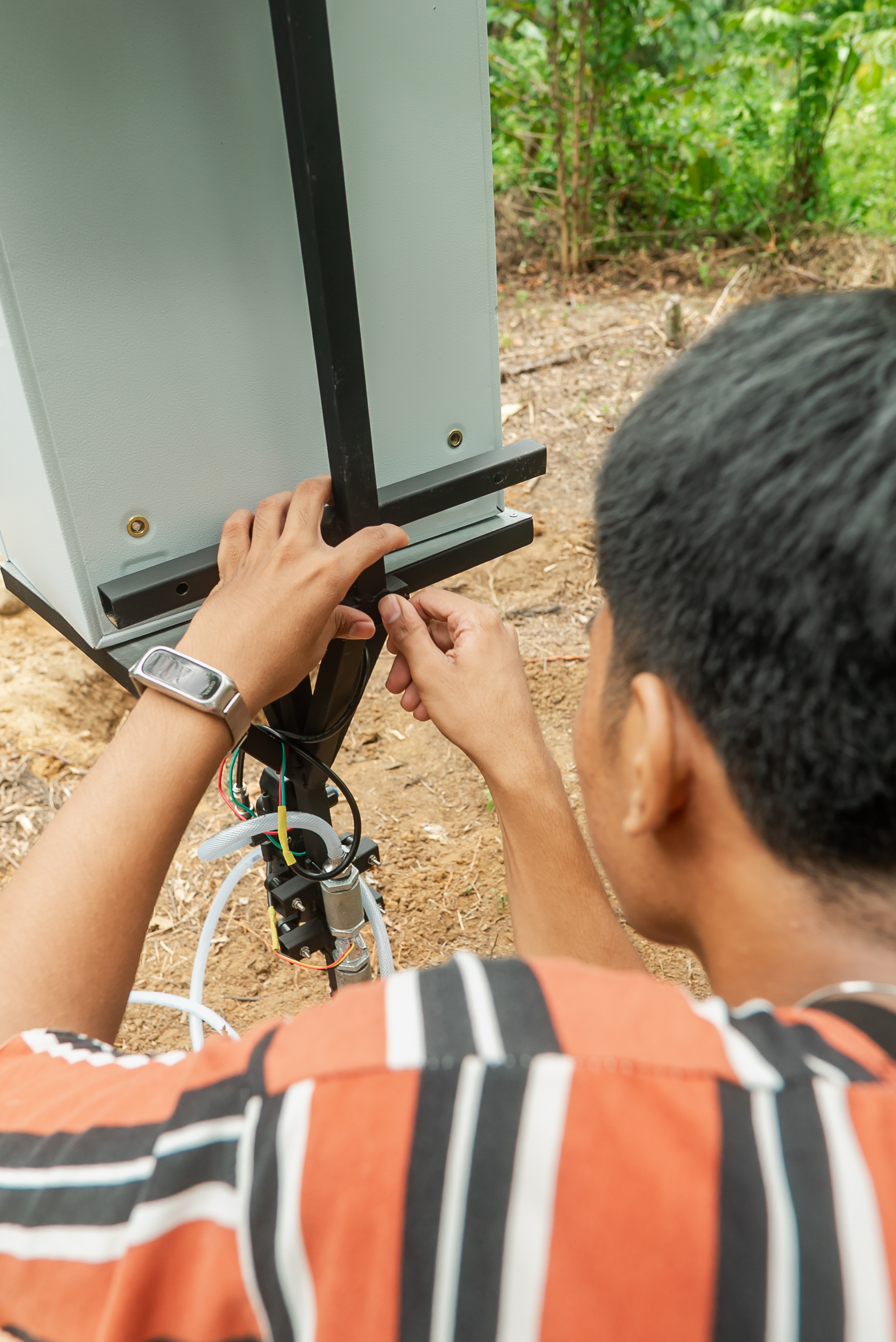
Engineered through a joint technical effort between Evtech Research Group and the student researchers, the TERRA-Volt system strengthens unstable ground through electro-osmosis, using paired cathode and anode electrodes alongside a pipe network that distributes a calcium chloride solution directly into the soil. Powered by a hybrid solar and wind energy setup, the system integrates a Raspberry Pi microcomputer and ground sensors to continuously monitor soil stability and movement.
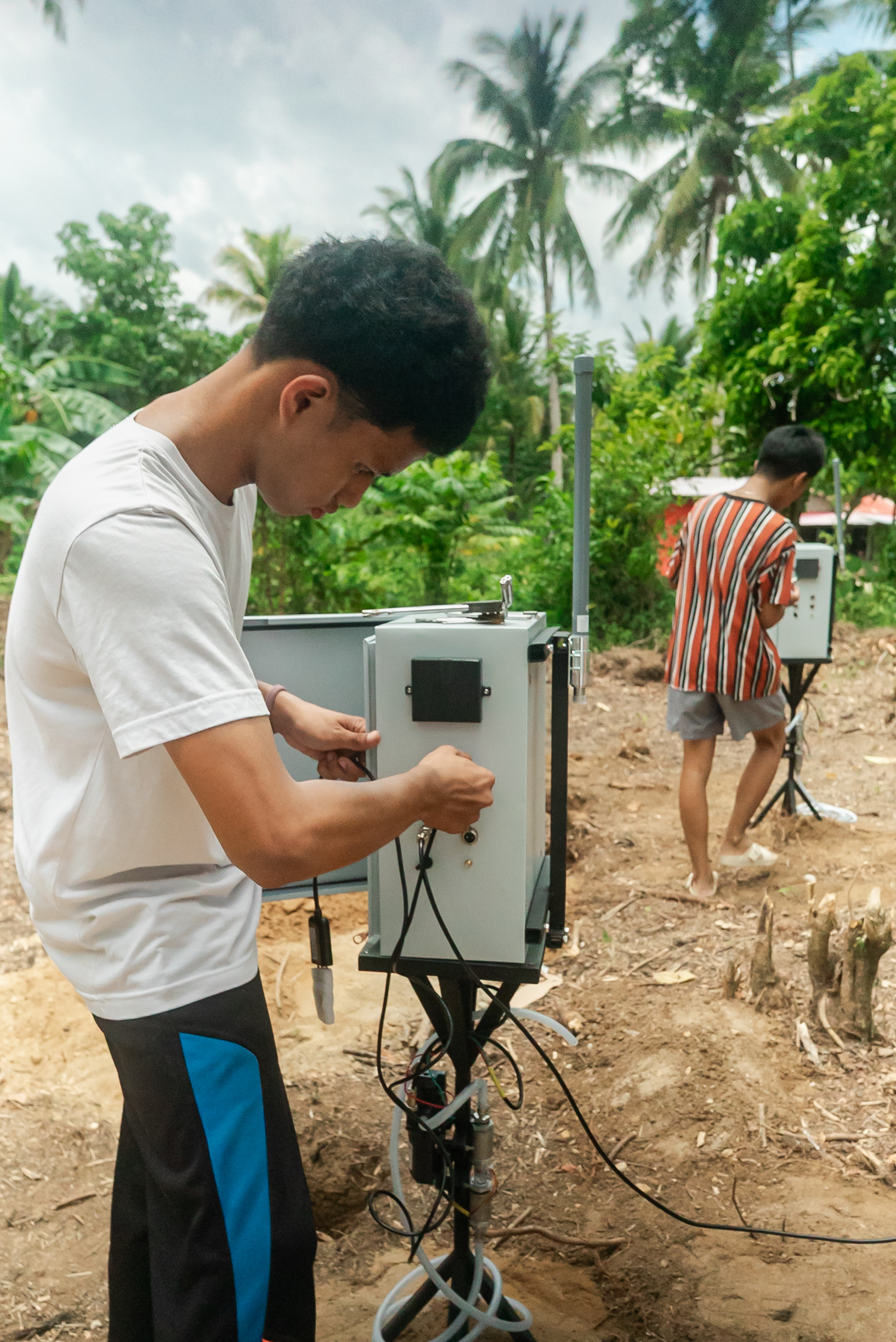
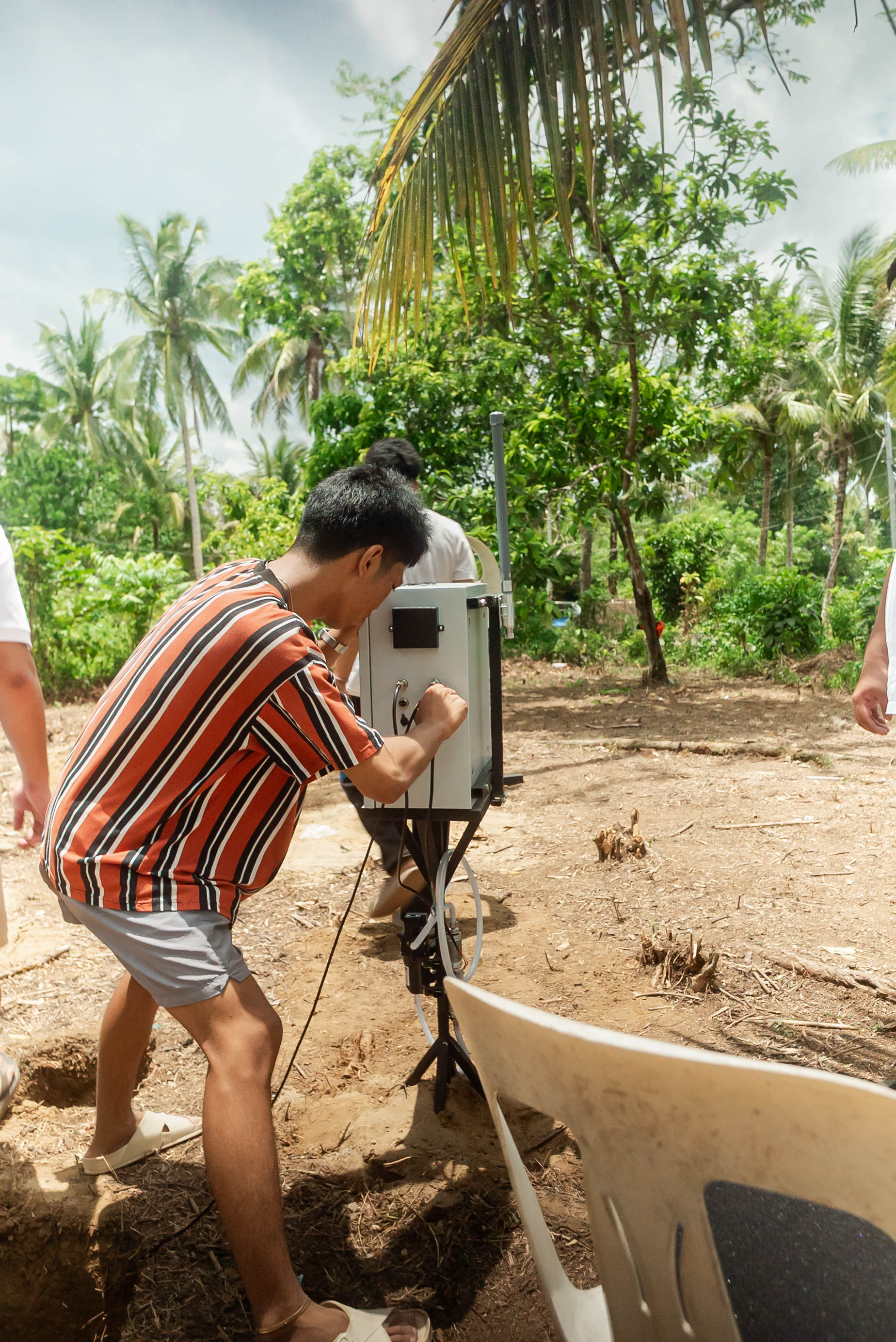
Before securing their division victory, the team faced financial difficulties that delayed component assembly, as well as a tight preparation timeline heading into the competition.
"One of our biggest challenges was our group's financial situation... which led to delays in assembling and finalizing the project," shared Rafer, who served as team presenter and speaker. "We overcame it with patience and understanding of what our groupmates are going through."
Abierra noted that perseverance alongside technical guidance from MIS research advisers Jenny Y. Sanchez and Joellyn C. Apolinario, as well as Evtech Research Group engineers, helped the team deliver a strong defense under high pressure.
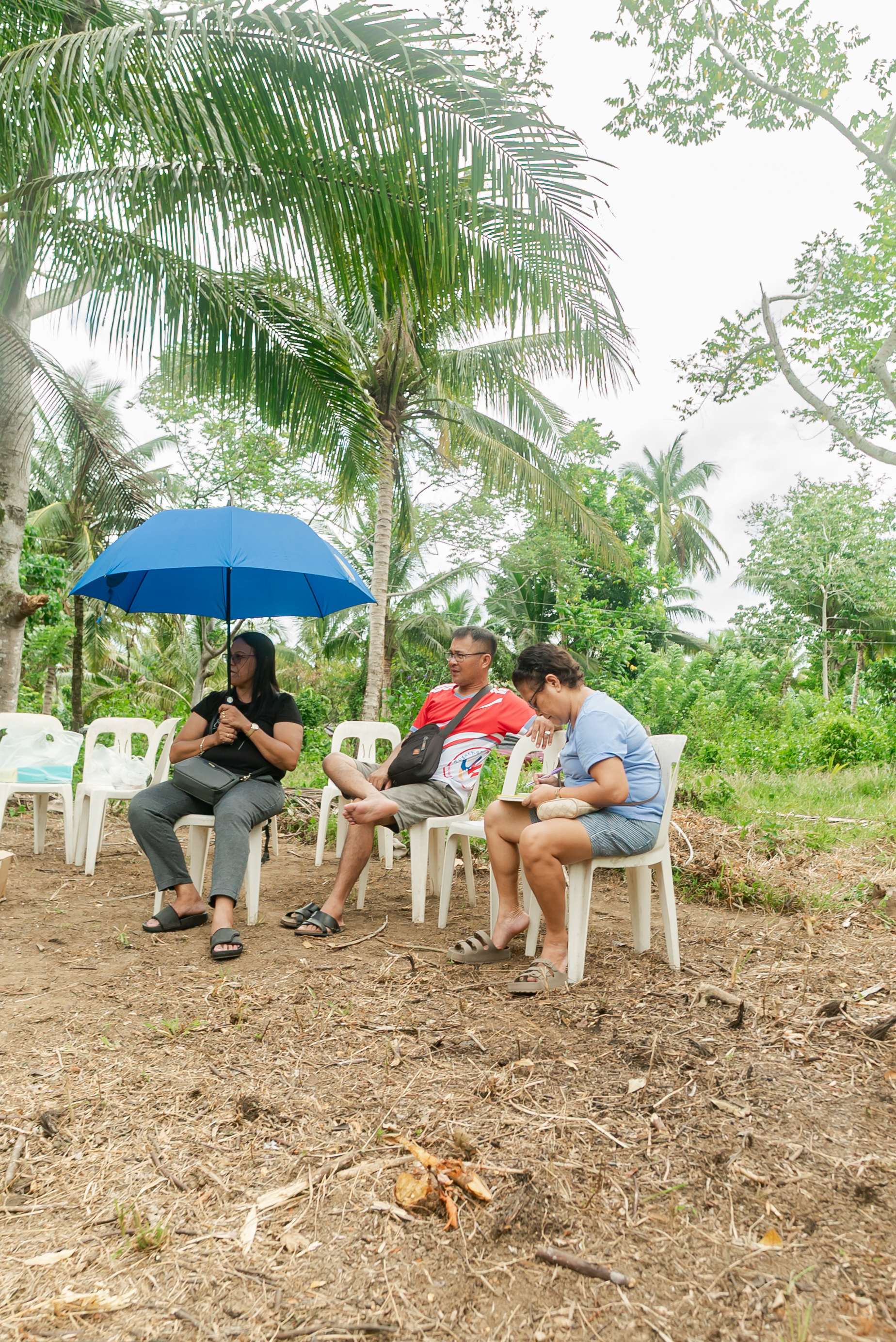
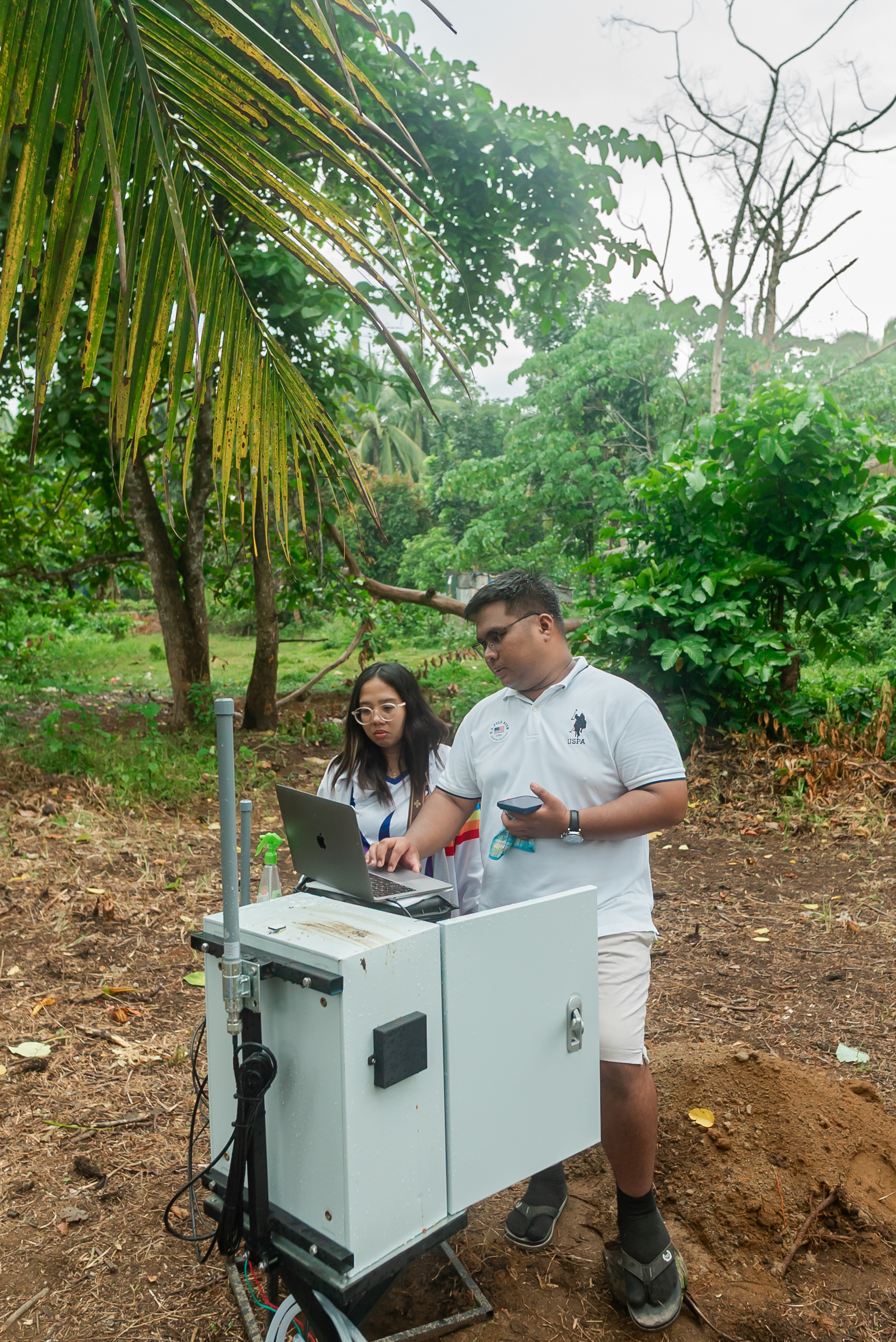
"How we solved it... is because of the will and determination to not give up and not waste all of the support and sacrifices of our classmates, friends, coaches, teachers, and engineers for us," Abierra said.
Looking ahead to the regional stage, the student researchers urged fellow young innovators to trust in their work and stay focused on public service.
"Even though we faced significant challenges, we eventually overcame them," Rafer added. "Believe in yourself and never give up."
Frequently asked questions
What is Project TERRA-Volt?
TERRA-Volt is an off-grid soil stabilization and monitoring system that strengthens unstable slopes through electro-osmosis and a calcium chloride solution, while sending real-time soil and displacement alerts.
Who built TERRA-Volt?
Student researchers Sean Xander B. Alem, Elijah A. Abierra, and Angeline D. Rafer of Moreno Integrated School developed it with research and engineering partner Evtech Research Group. Their coaches are Jenny Yanto Sanchez, Senen Rafael, and Menchie Yaba.
How does TERRA-Volt stabilize the soil?
It uses paired cathode and anode electrodes for electro-osmosis, and a pipe network that distributes a calcium chloride solution directly into the soil.
How does it send warnings when power and signal are down?
It runs on a hybrid solar and wind power setup and uses Long Range (LoRa) technology to send soil and displacement alerts over long distances without cellular signal or internet access.
What inspired the project?
A major landslide in Labo, Camarines Norte, which pushed the team to build a preventive hazard mitigation tool for families living near high-risk slopes.
What award did TERRA-Volt win?
First place in the Physical Science (Team) Category at the DepEd Division Science and Technology Fair of Camarines Norte, held on September 8–9, 2026 at San Roque National High School. The win earned the team a spot in the Bicol Regional Science and Technology Fair.
Media
Article media.
Google sign-in is optional and stays blocked until you enable it in .
We have a be nice policy. Please be positive and constructive.
No comments yet.