

MERCEDES, CAMARINES NORTE — Driven by a mission to prevent sea tragedies, student researchers from Moreno Integrated School (MIS), built in collaboration with Evtech Research Group, developed an off-grid safety tracking system to protect small-scale municipal fishermen navigating treacherous waters off Camarines Norte.
The initiative, titled "Project L.I.G.H.T. (LoRa-Integrated GPS and Hazard Tracking): A Solar-Powered Life-Safety and Real-Time Weather Monitoring System with the LIGTAS Mathematical Risk Models and QGIS Integrated Vessel Tracking for Small-Scale Fishermen in Bagasbas, Daet, Camarines Norte," took home the championship title at the Department of Education's (DepEd) Division Science and Technology Fair of Camarines Norte held at San Roque National High School on September 8–9, 2026.
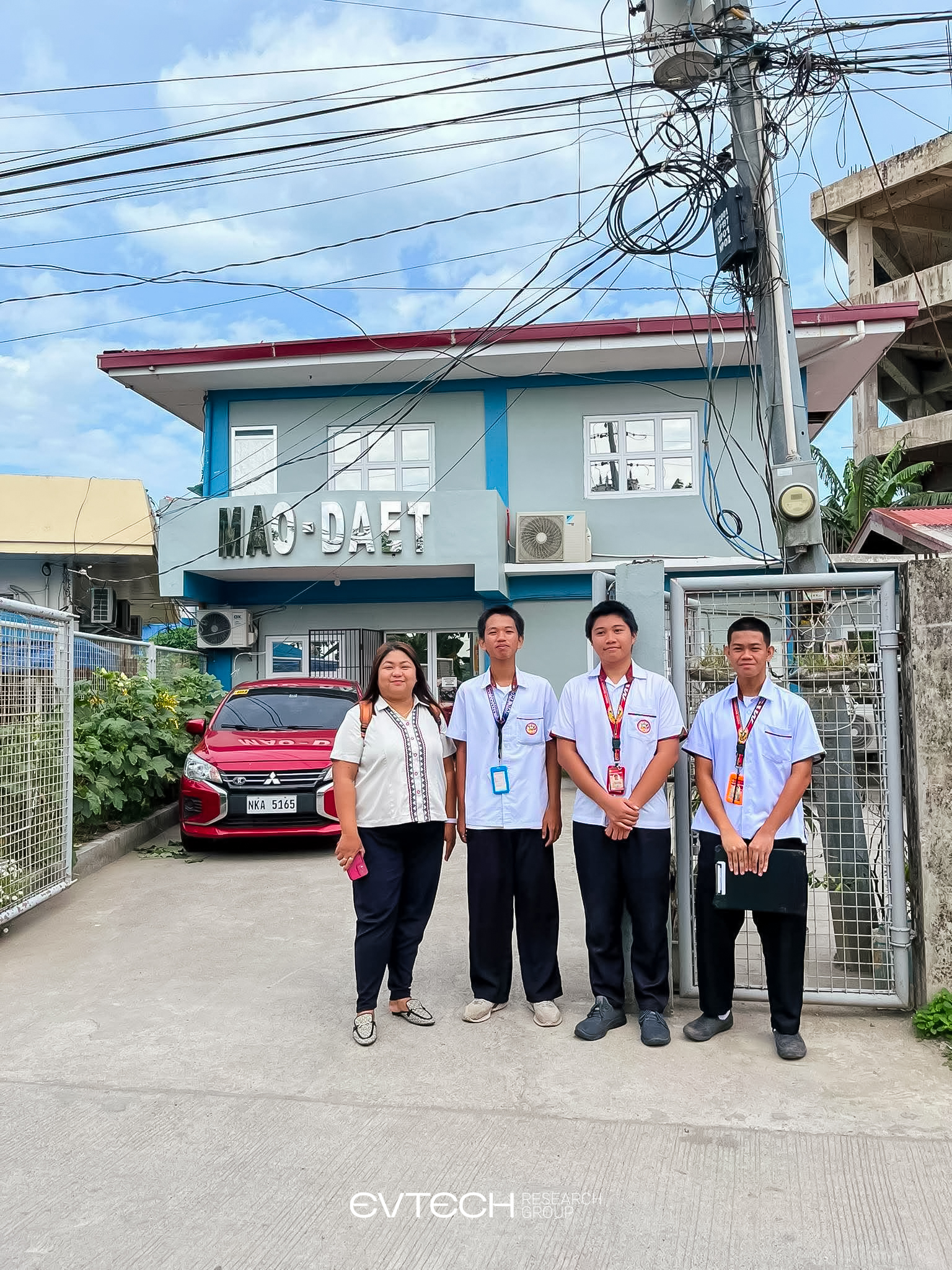
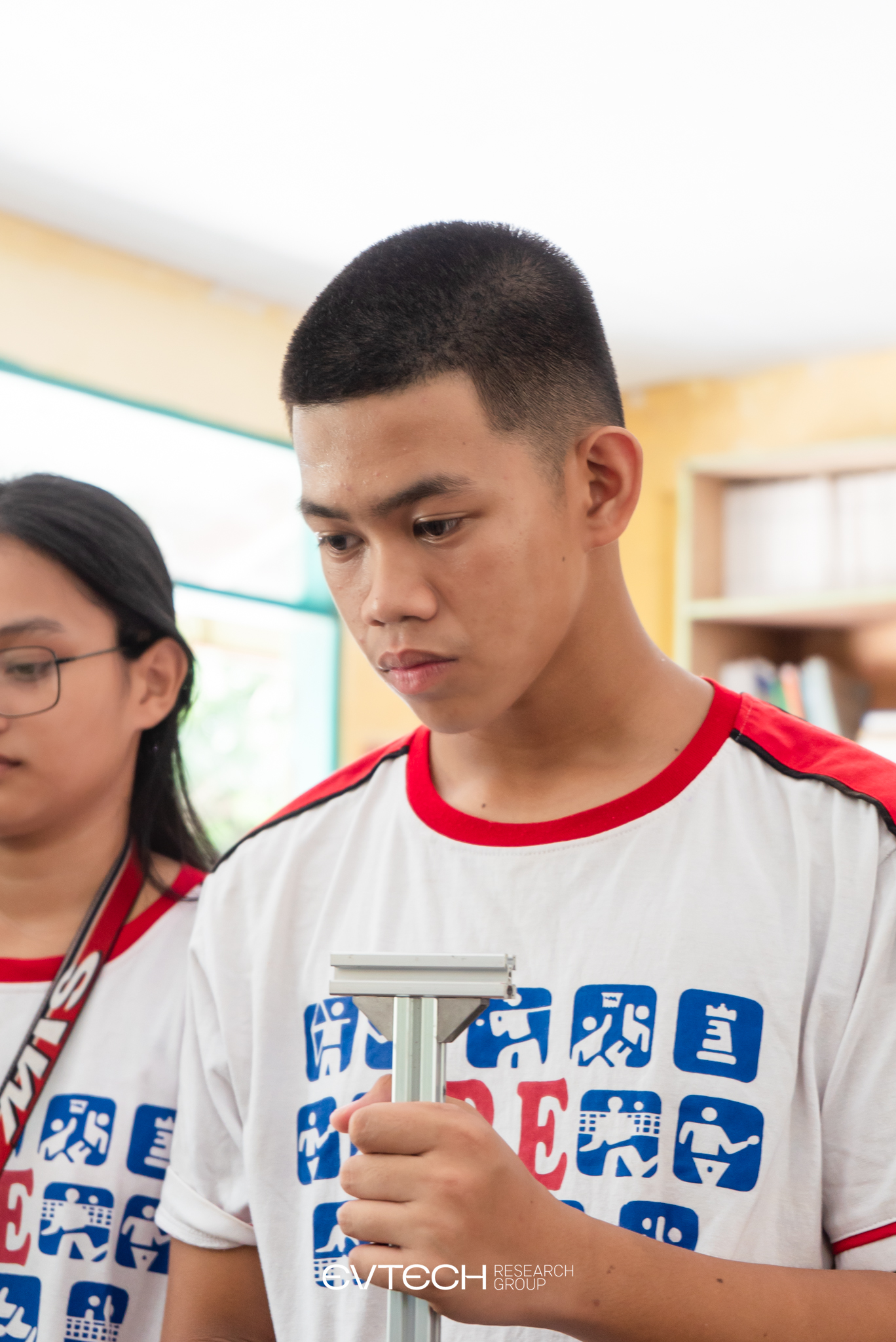
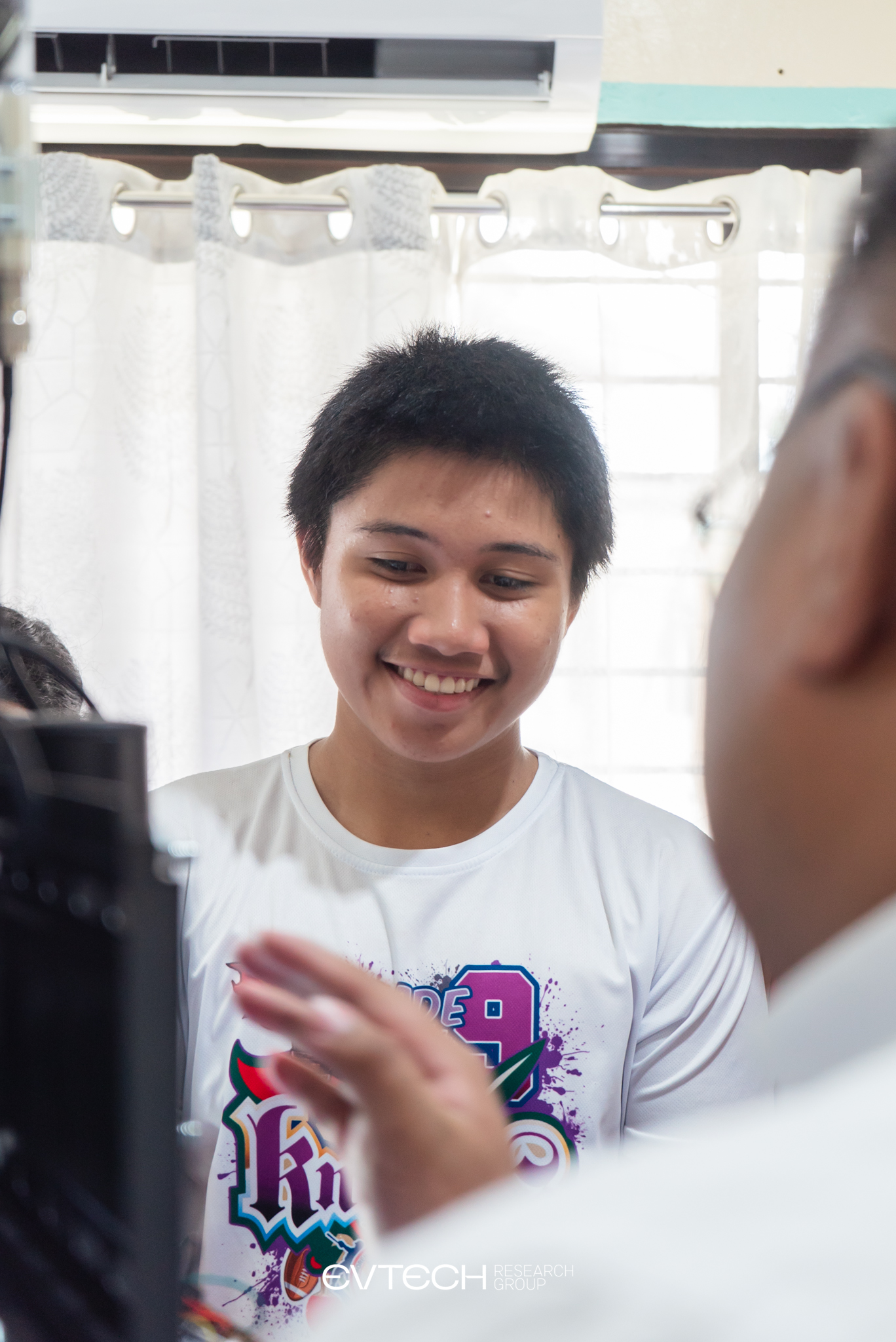
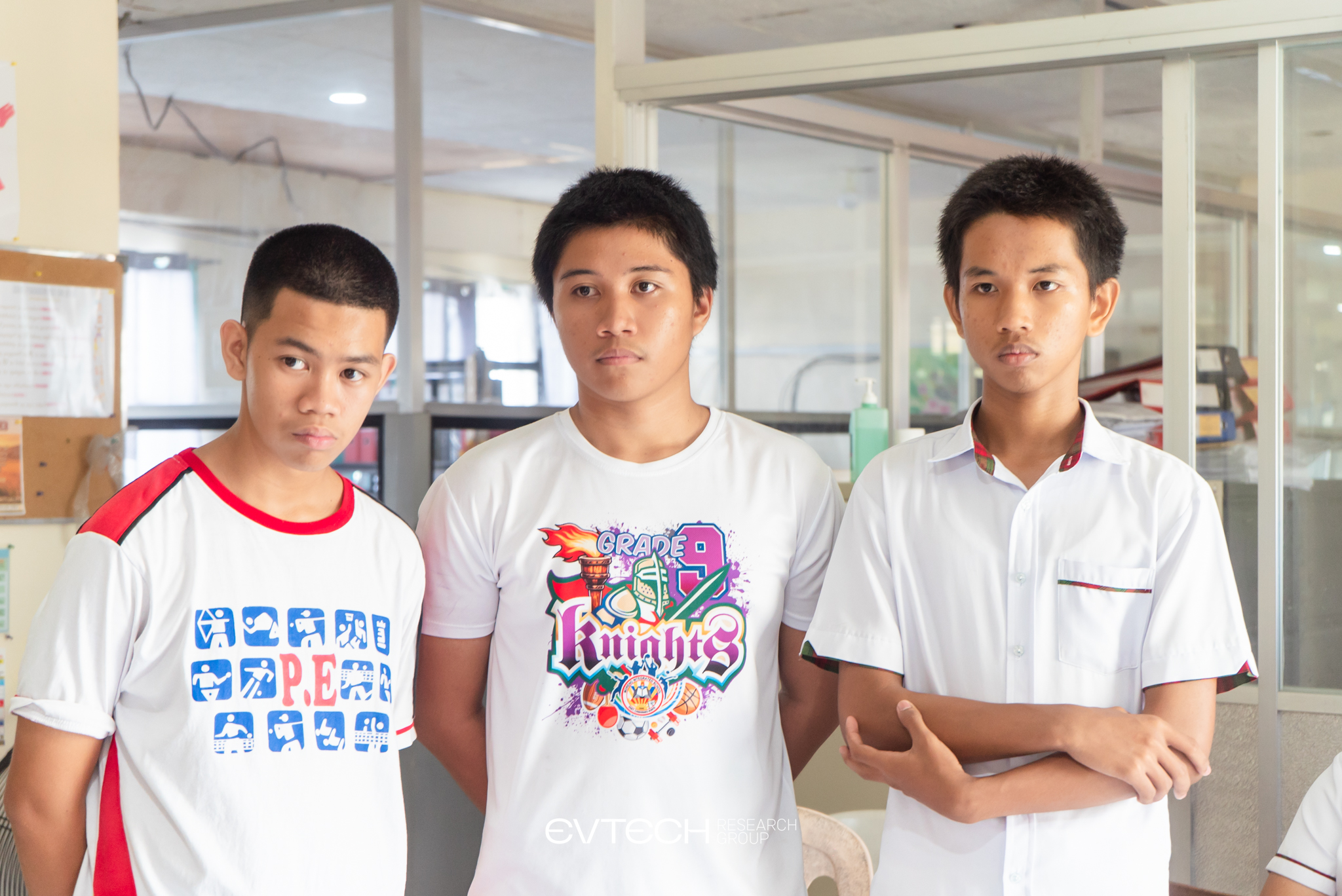
Developed under Team LIGHT—led by Noah M. Rala alongside student presenters Fernando V. Lladones III and Wynnona Razzyle L. Samson, developed in partnership with research and engineering partner Evtech Research Group—the project was born directly from a real-life local situation.
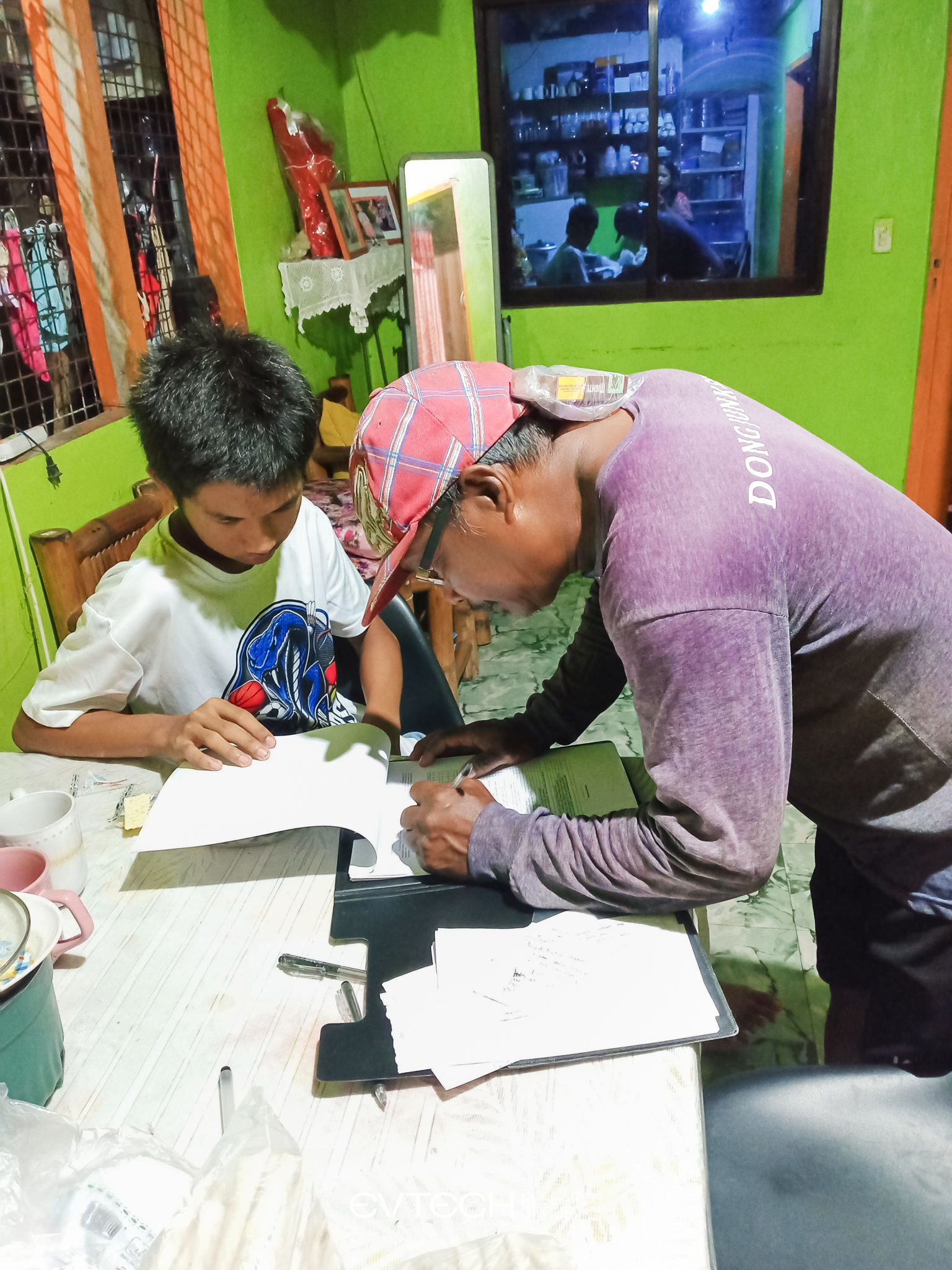
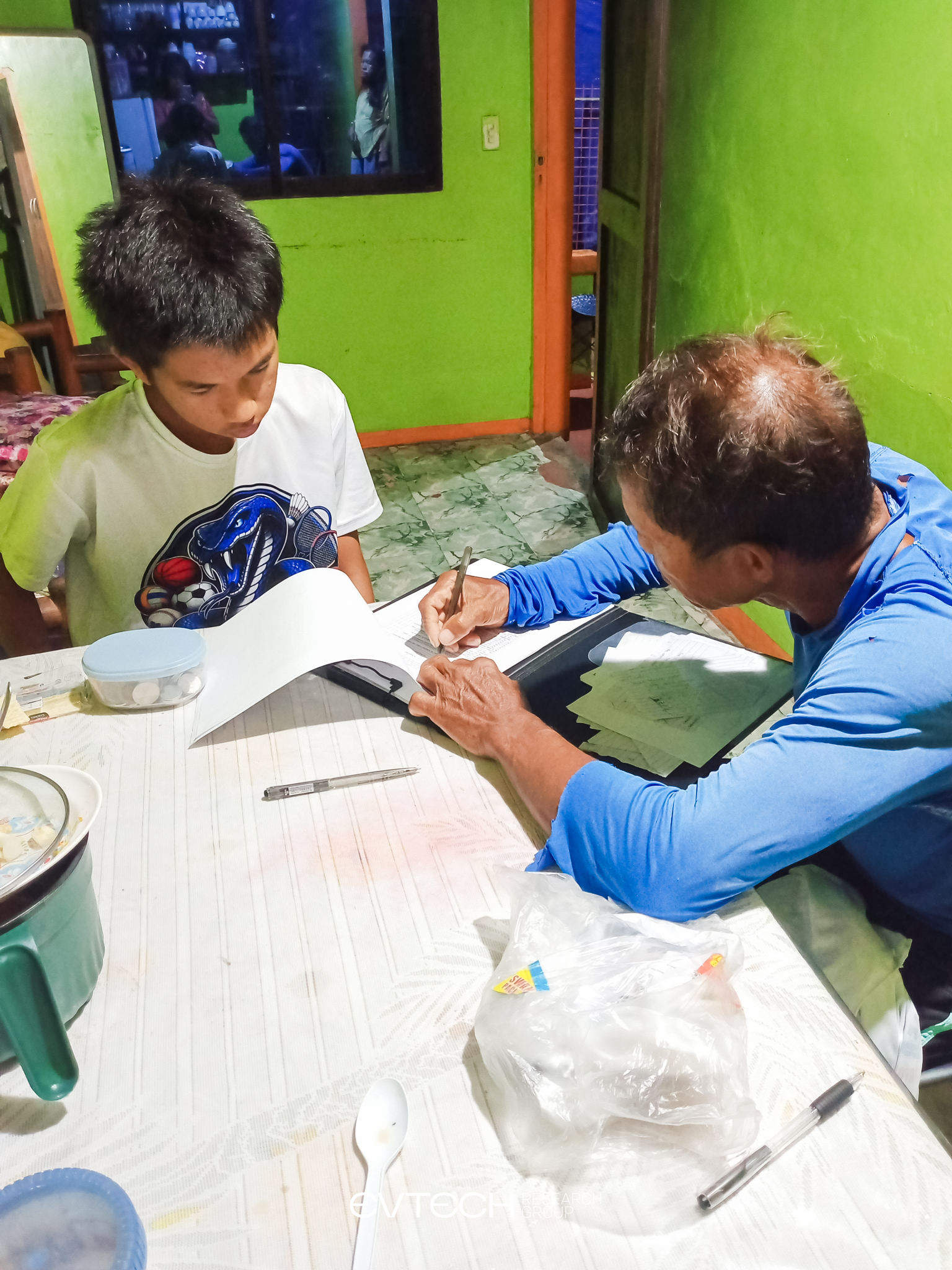
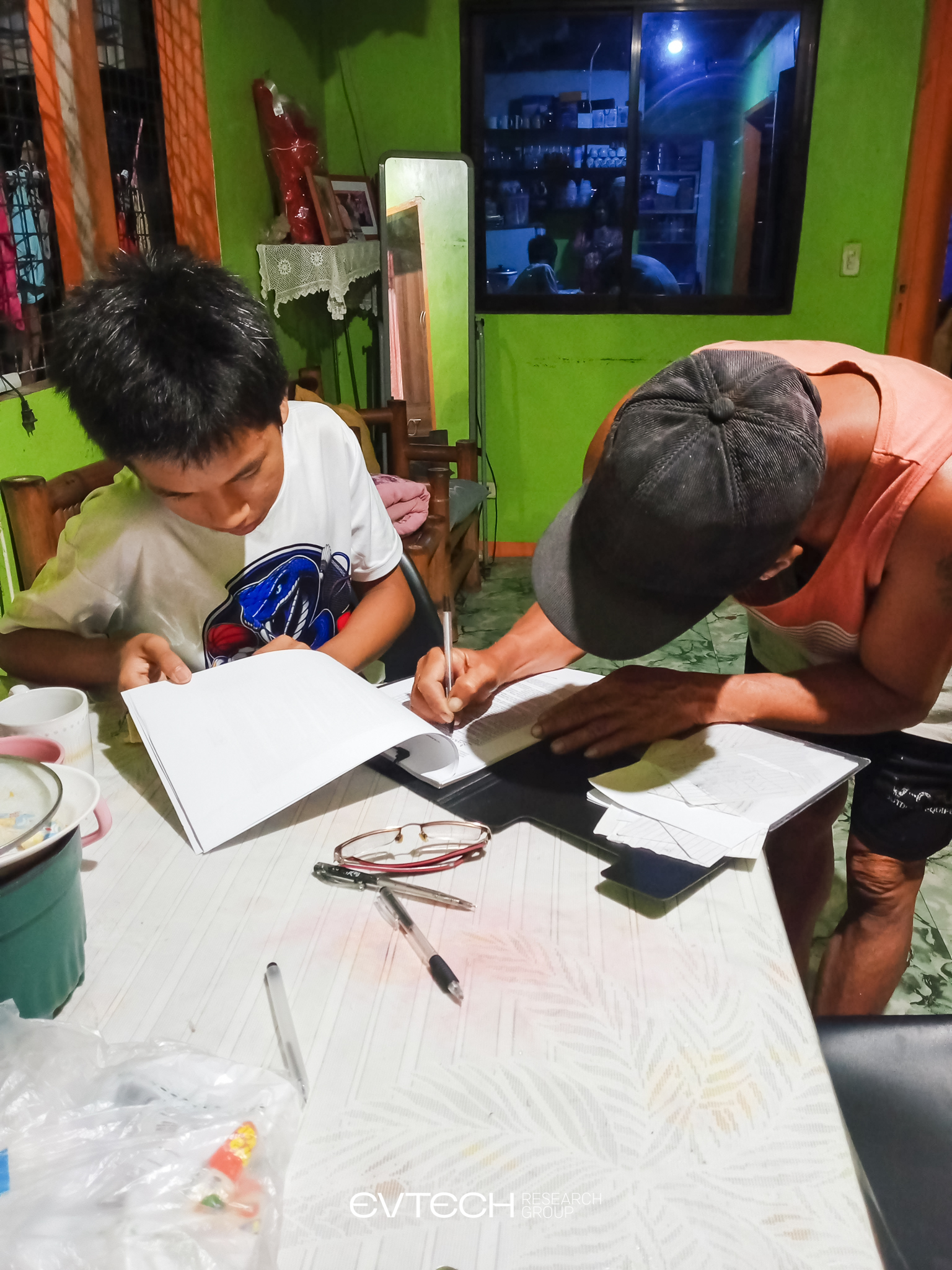
The idea took root after the students saw a local Facebook post from a family in Bagasbas desperately searching for a loved one who had been lost at sea for nearly three days. To better understand the daily dangers local fishers face, the team also interviewed a fisherman who survived being stranded at sea, listening as he recounted relying solely on prayer until a passing vessel rescued him.
MIS Junior High School research adviser Jenny Y. Sanchez noted that the team successfully turned a social media-observed tragedy into actionable innovation rooted in local reality.
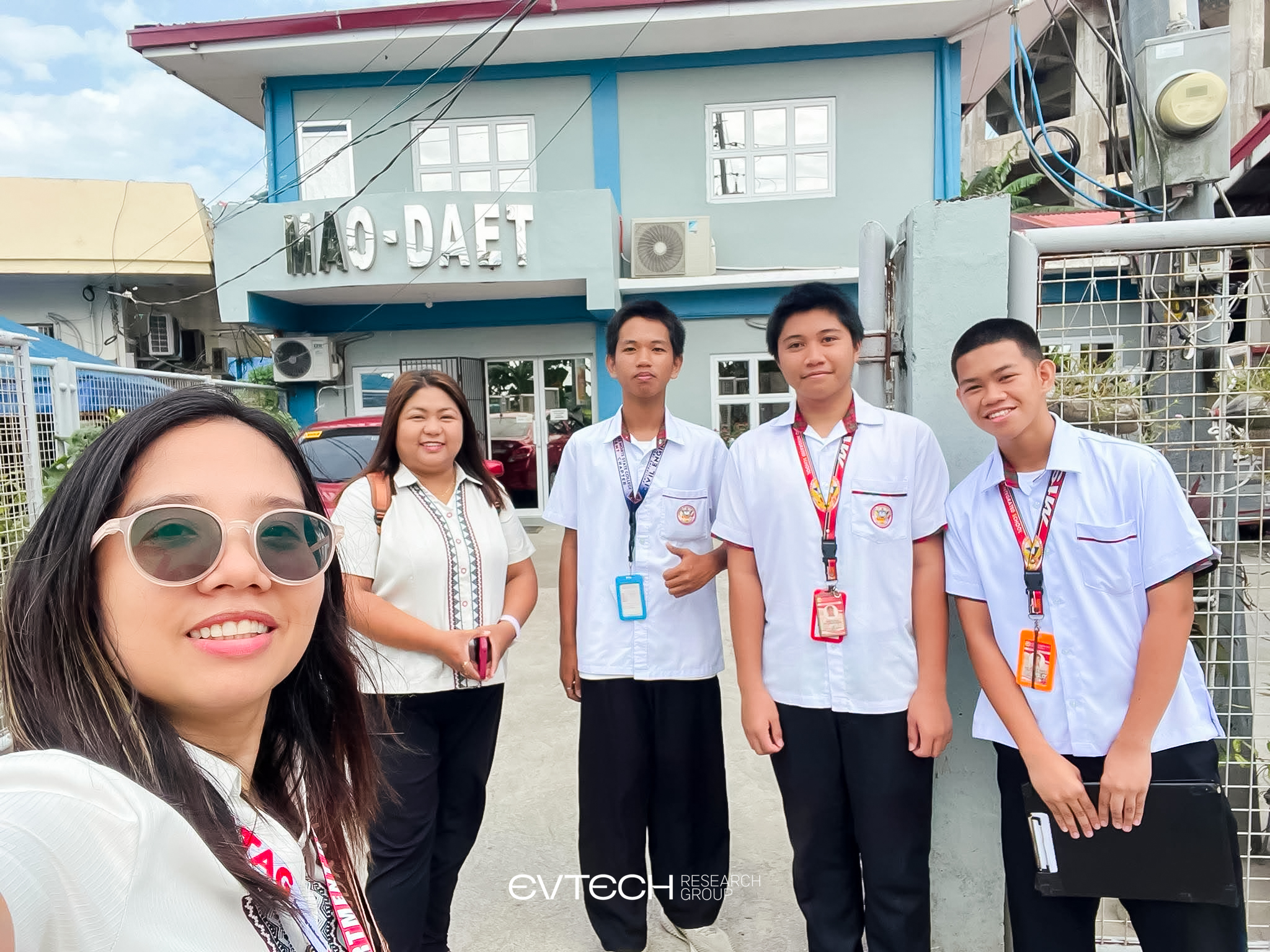
"Look for inspiration in the world around you," Sanchez advised. "The most impactful innovations like L.I.G.H.T. don't start in a vacuum; they begin with empathy for real people and real challenges in your local community."
To address sudden weather changes and the lack of cellular coverage at sea, MIS Senior High School research adviser Joellyn C. Apolinario guided the team in designing system flows and custom "LIGTAS" mathematical risk models.
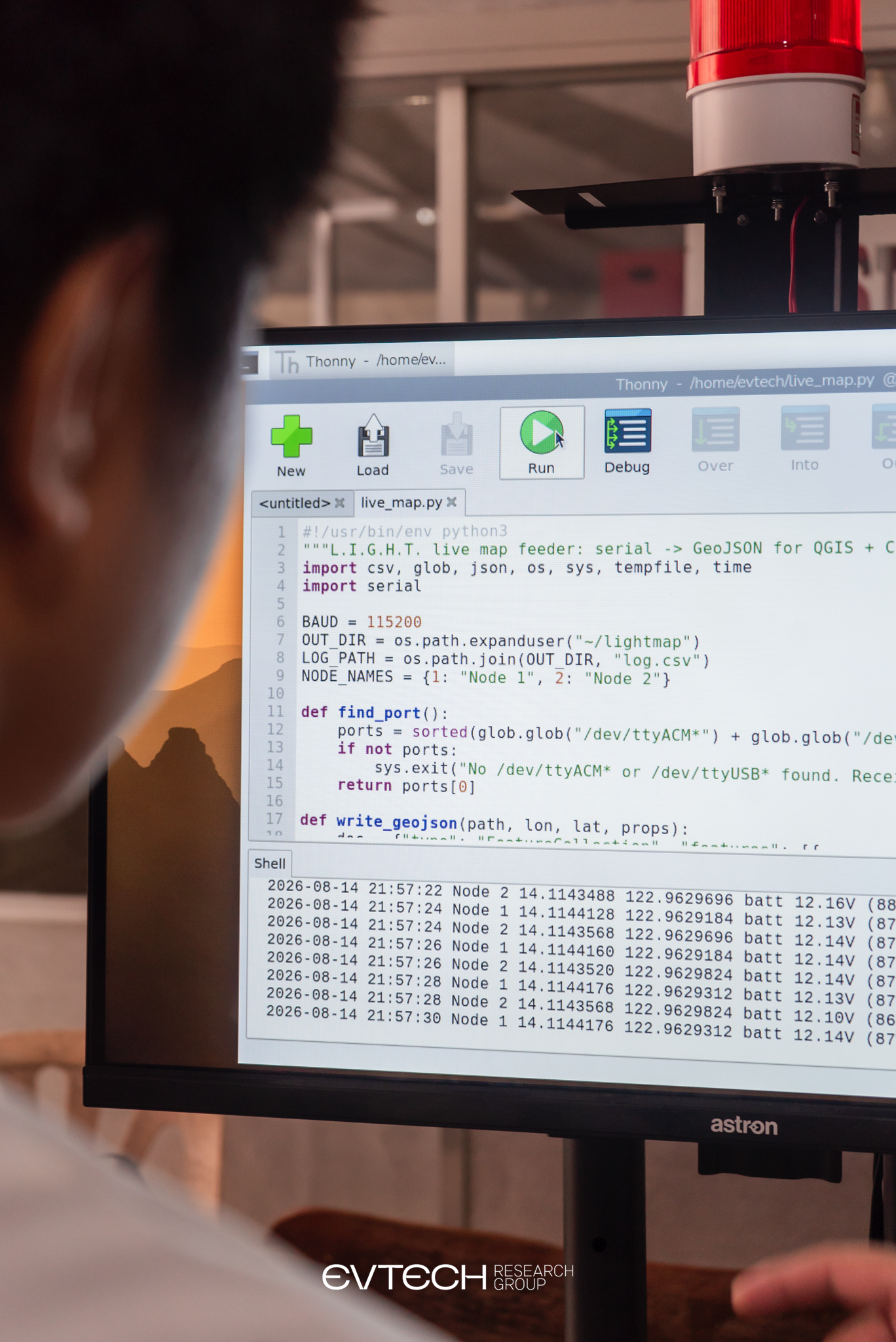
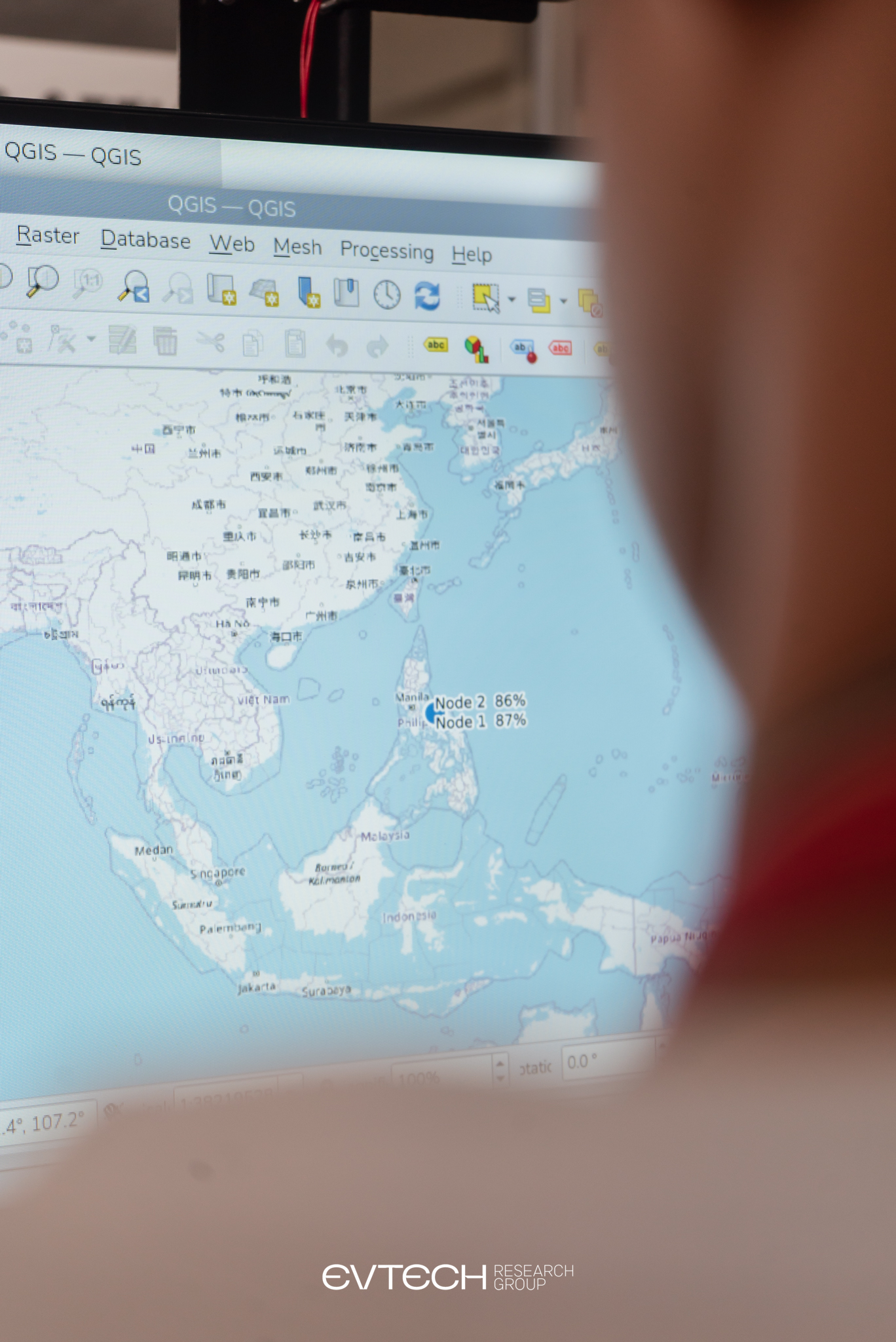
The solar-powered system combines Long Range (LoRa) radio communication, GPS vessel tracking, QGIS geospatial software, and an onboard emergency SOS "black box" module. By converting environmental and positional data into computational risk levels, the system delivers real-time tracking and hazard warnings to local rescue teams without requiring internet access or cell signal.
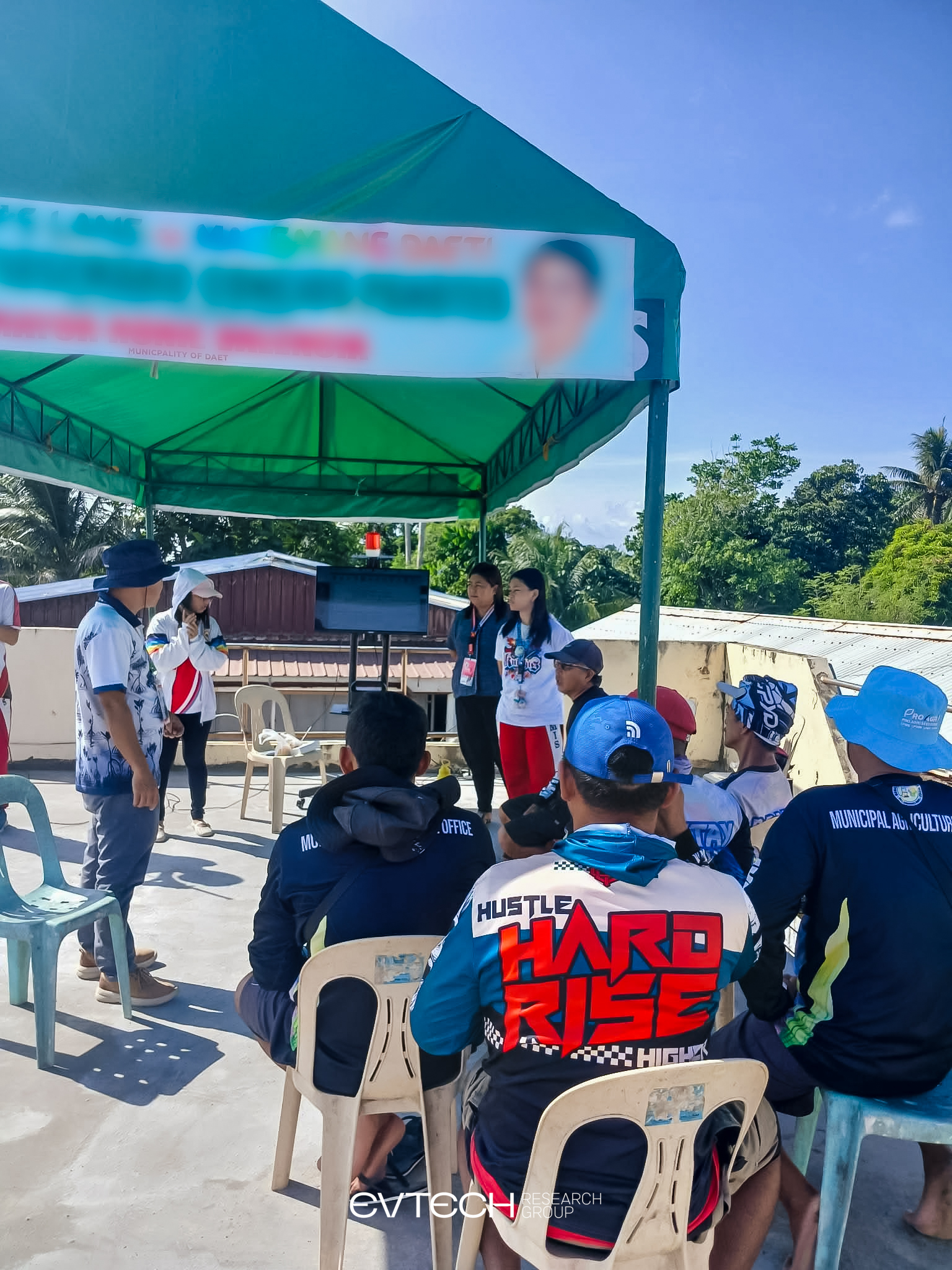
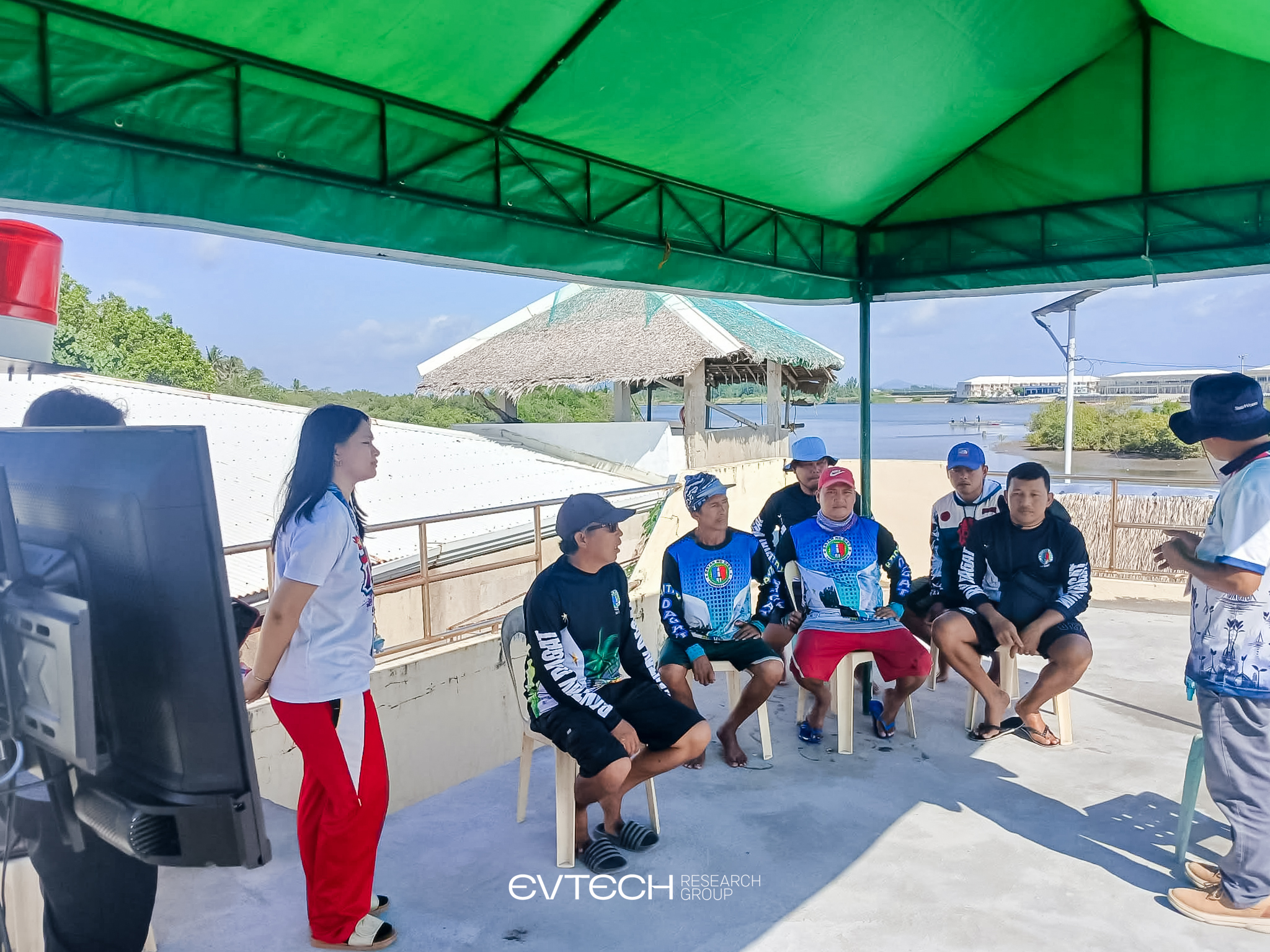
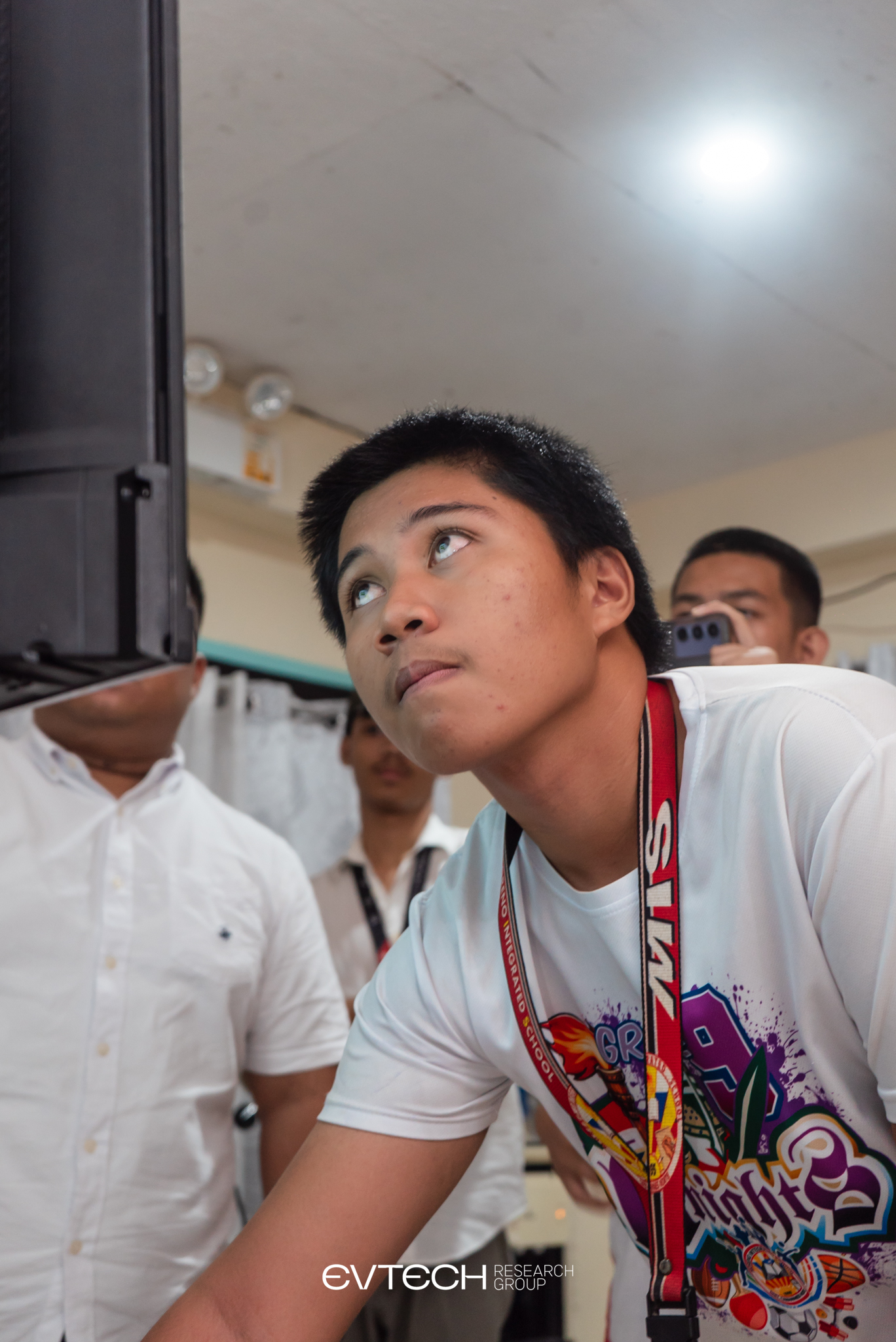
During field testing in Bagasbas before the division fair, local government officials stopped by the testing site to see the setup and asked the students to
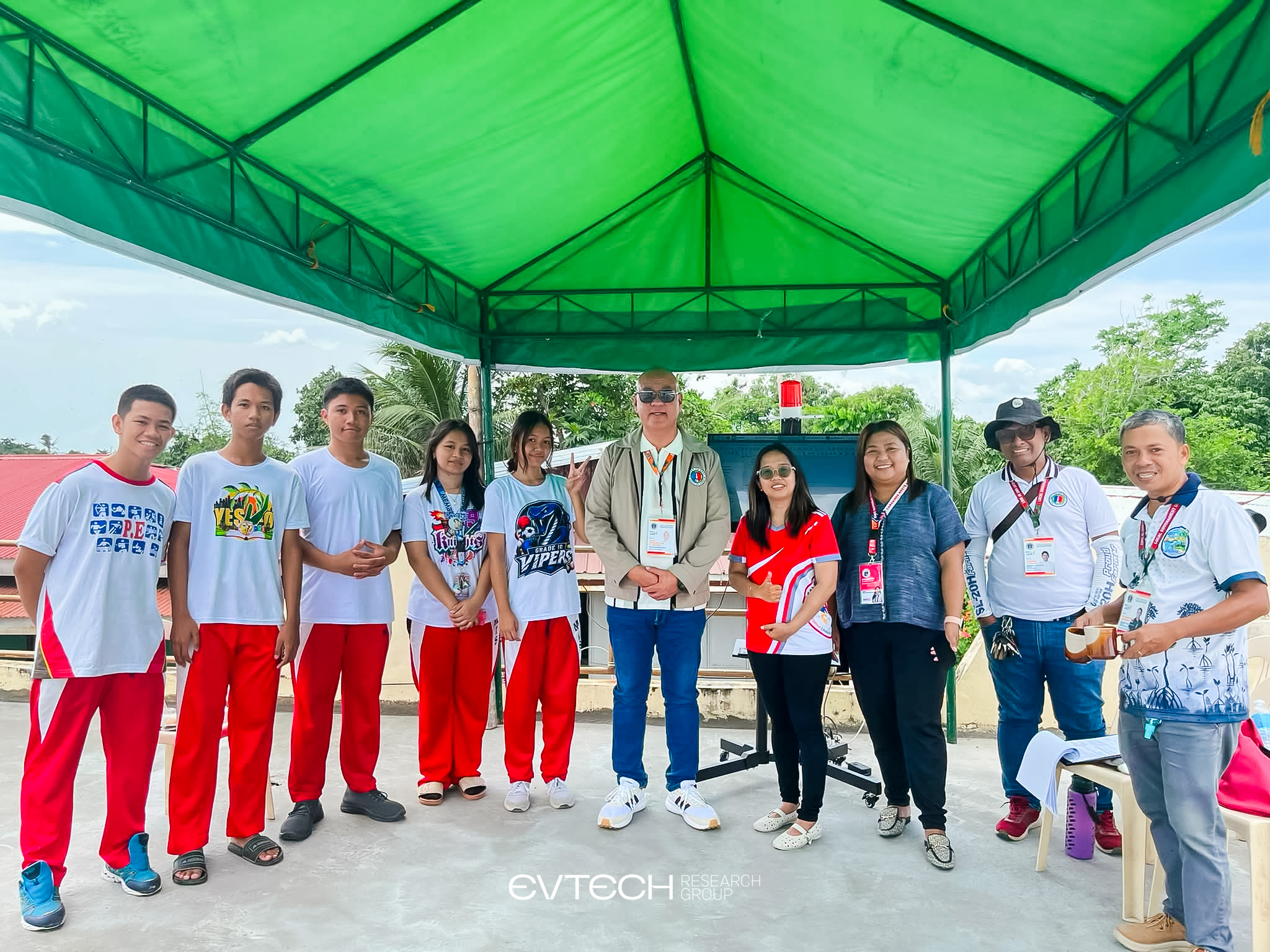
explain their project—with some initially skeptical about whether the device could actually work at sea.
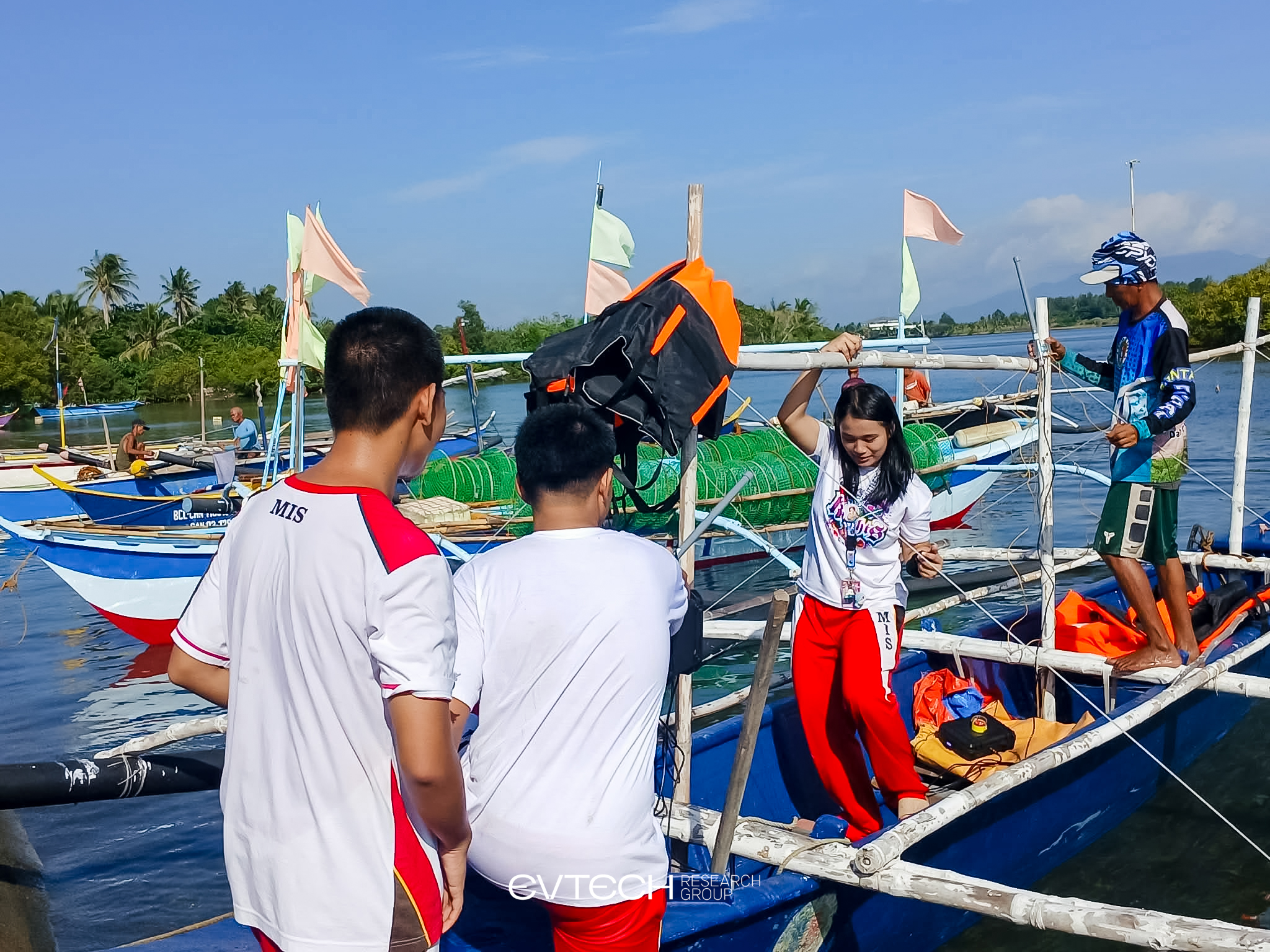
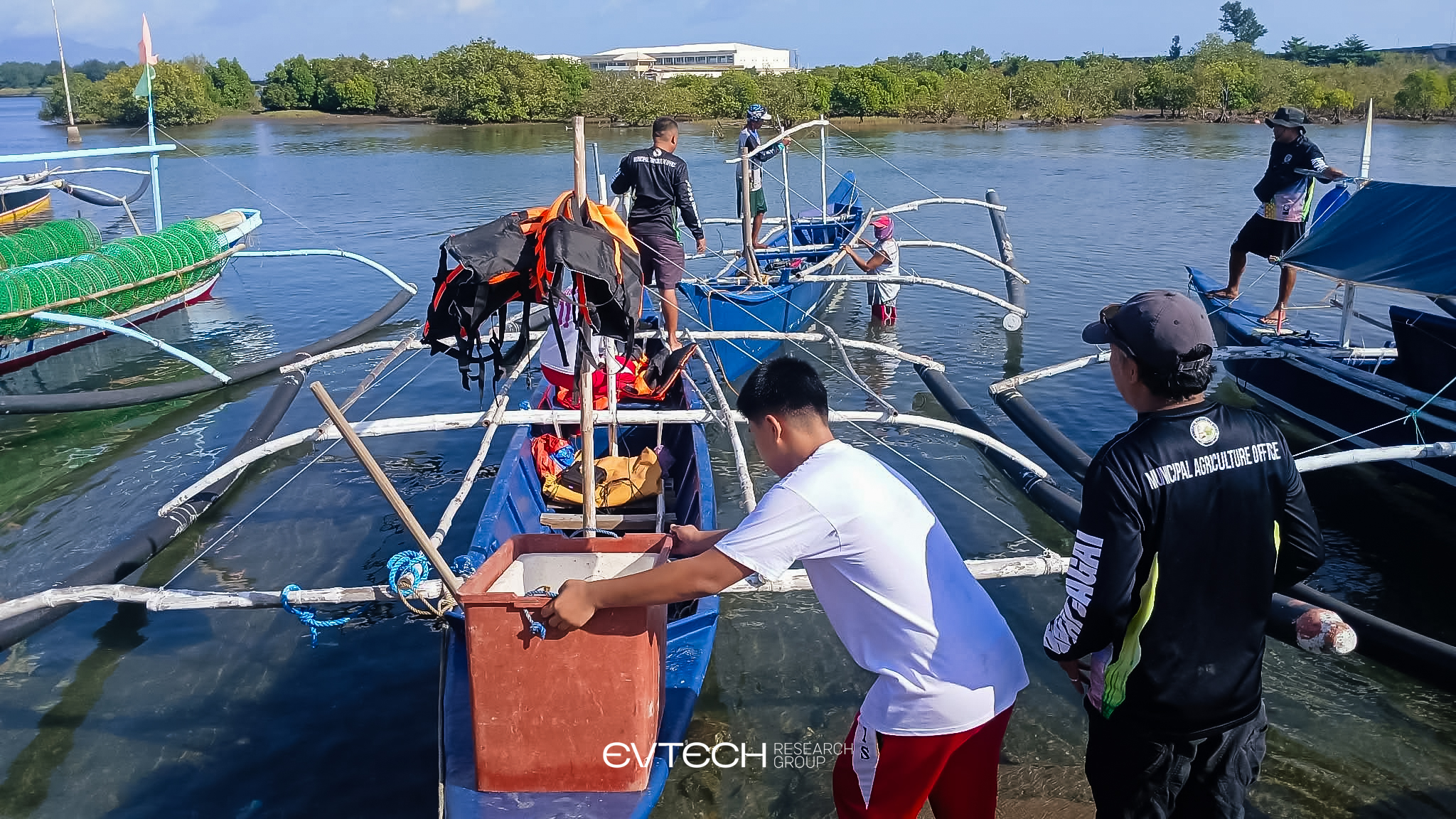
However, ocean trial data gathered by the students and Evtech Research Group demonstrated the practical value of their LoRa-based design. The tests confirmed that the custom system maintained stable, continuous signal tracking on small boats even while actively moving across open waves—winning over local leaders with solid proof.
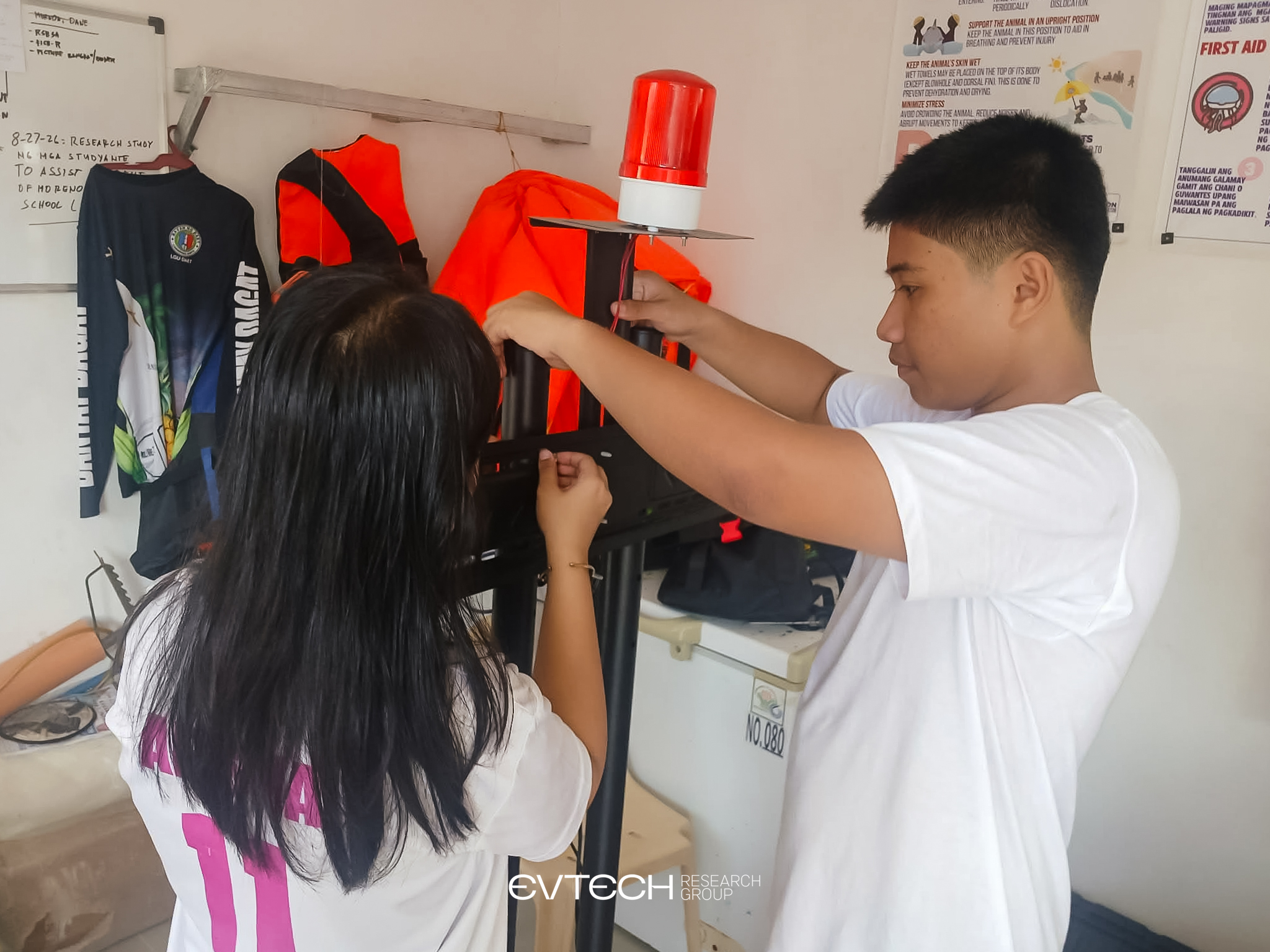
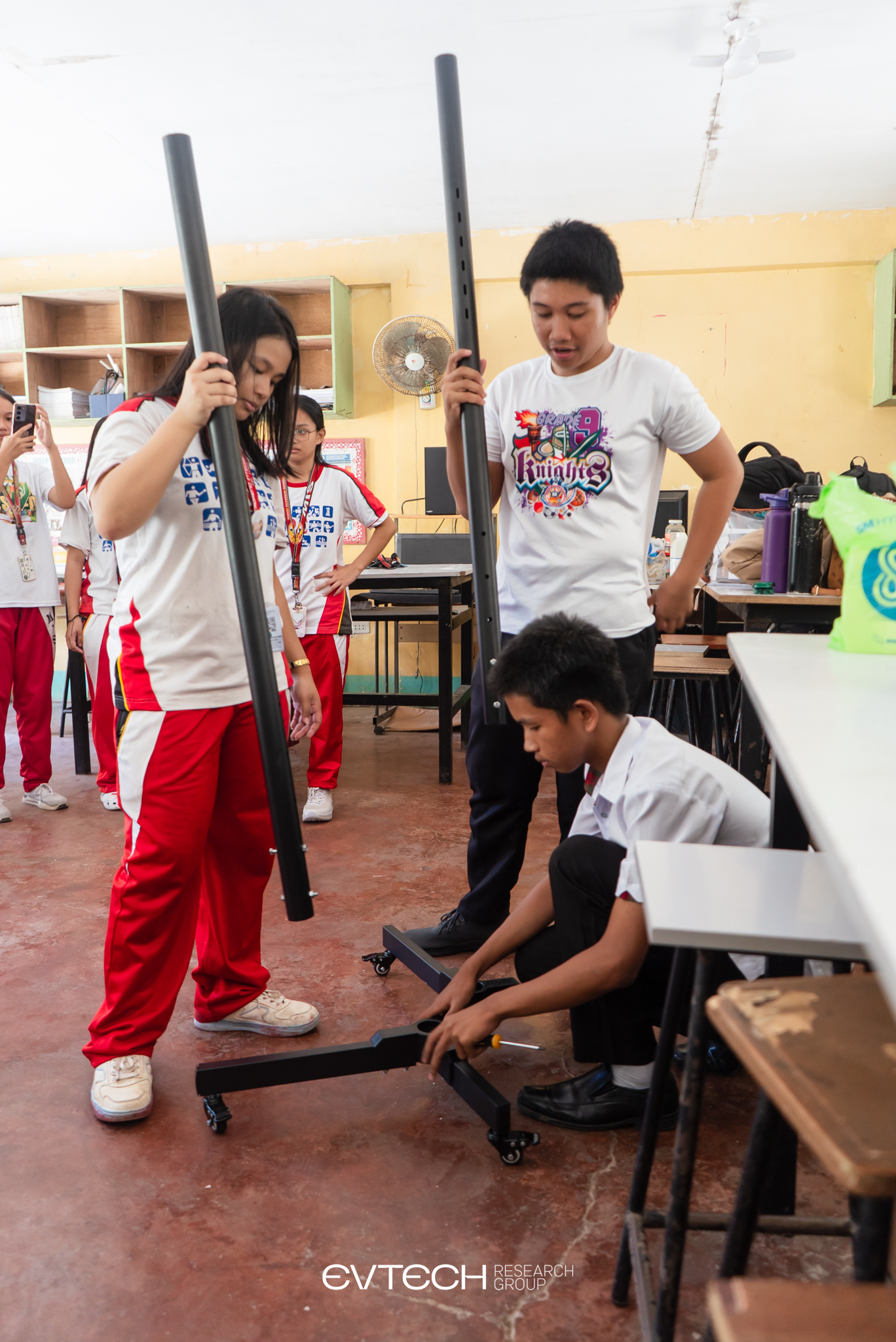
Throughout the prototype build, Evtech provided engineering mentorship, helping the students work through sensor adjustments, antenna range limits, and hardware troubleshooting. That technical guidance proved crucial when device data corrupted right before the competition.
"The most difficult technical problem that we faced is the situation where the data of the device corrupted... but thank God because it was fixed immediately," shared Lladones, adding that the team ran late-night practice sessions to perfect their presentation defense.
Apolinario highlighted how working through technical failures helped the students build true resilience focused on public service.
"When readings were inconsistent or signals dropped, they learned to analyze data, test adjustments, and find solutions instead of giving up," Apolinario said. "Great research isn't just about a fancy title—it's about how much your work can serve and protect the people who need it most."
Reflecting on their division win, the student researchers emphasized that a commitment to saving lives kept them going.
"Teamwork makes the dreamwork," Rala said.
"Always start with a problem that affects many people and make a mindset that you are not only developing it as a research project but also to help your community," Samson added.
Photos
Article media.


Google sign-in is optional and stays blocked until you enable it in .
We have a be nice policy. Please be positive and constructive.
No comments yet.